
Surprising Facts About Visiting Australia for the First Time
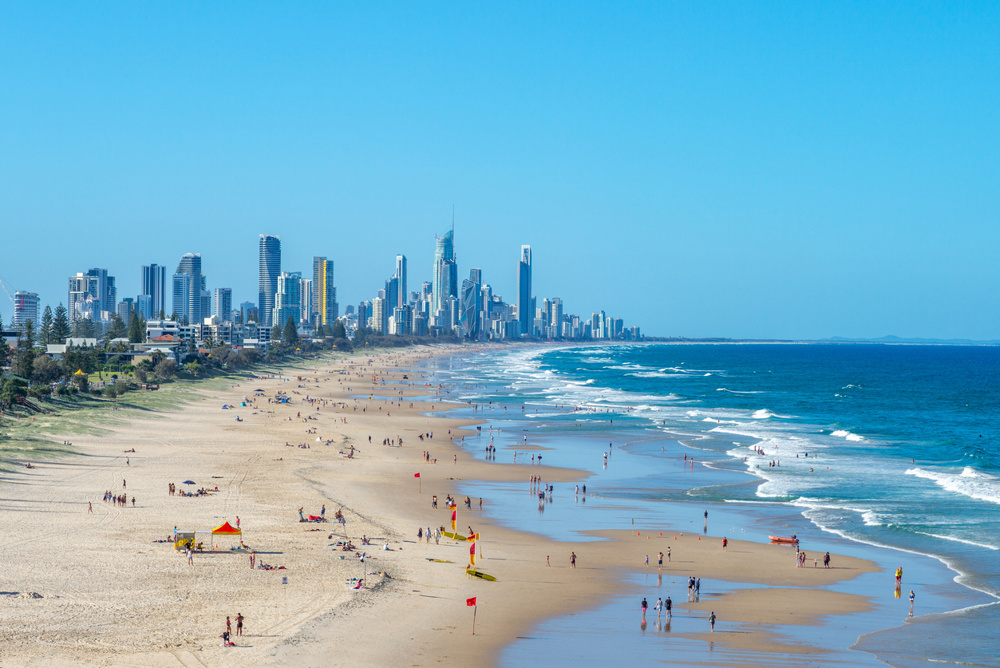
Visiting Australia for the first time often challenges expectations shaped by maps, media, and travel guides. The country’s scale, climate diversity, and cultural norms create an experience that feels very different from other destinations. What appears straightforward on paper can quickly become complex once travel begins. Much of this surprise comes from Australia’s contrasts.
Major cities are modern and accessible, yet vast stretches of land remain remote and sparsely populated. Beaches look inviting but require caution, and wildlife that seems fascinating from a distance can demand respect up close. These differences shape how visitors experience the country. Understanding these realities in advance allows for a smoother and more rewarding trip.
Australia Is Far Bigger Than Most First-Time Visitors Expect
Before you book your first trip to Australia, you need to reckon with a truth that catches most visitors off guard: this country is massive. Size perception becomes a real issue because the Mercator projection shrinks Australia on most world maps, masking its true scale. At 7.69 million square kilometers, it's nearly as large as the contiguous United States.
Inland distances are brutal — Sydney to Perth rivals New York to Los Angeles. Yet coastal clustering of major cities like Sydney and Melbourne tricks you into thinking everything's manageable. Western Australia alone exceeds Alaska's size. Ukraine, for instance, covers roughly 603,000 square kilometers, meaning Australia is more than twelve times larger than a country many consider one of Europe's biggest nations.
With a population of just 26.6 million spread across this vast land, you'll encounter stretches of nothing that genuinely surprise even seasoned travelers. To put the scale in perspective, Australia dwarfs’ countries like Egypt, Ukraine, and Germany combined. A size comparison that most visitors never consider before arriving. Much like the World Wide Web's global reach transformed how scientists shared information across vast distances. Australia's sheer scale forces visitors to rethink how they plan and connect across the country.
Budget Realities That Catch First-Time Visitors Off Guard
Australia is often perceived as expensive, and this reputation is largely accurate. Everyday costs such as food, transportation, and accommodation can be higher than expected, particularly in major cities. Dining out regularly and booking last-minute accommodations can quickly increase overall expenses.
However, costs can be managed with careful planning. Grocery shopping, using public transportation, and selecting mid-range accommodations help reduce spending. Many cities also offer free or low-cost attractions, including parks, beaches, and cultural institutions, which balance higher daily expenses.
Budgeting effectively requires awareness rather than restriction. By understanding typical price ranges and adjusting spending habits accordingly, visitors can maintain control over their expenses while still enjoying a full experience.
Which Season Should You Actually Visit Australia?
Knowing when to go matters just as much as knowing how much to bring. Australia's seasons split by region, so timing depends on where you're headed.
For southern cities like Melbourne or Tasmania, autumn road trips offer mild temperatures between 17°C and 35°C, harvest festivals, and stunning foliage without summer's crowds. Spring wildflowers blanket Perth and southern regions from September through November, making it another strong window nationwide.
If you're visiting the north—Cairns, Darwin, or the Whitsundays—stick to the dry season between May and October. You'll avoid cyclones, crushing humidity, and jellyfish. June and July hit peak popularity there for good reason.
Spring and autumn consistently deliver the best balance of weather, affordability, and fewer tourists, regardless of which corner of Australia you're exploring. Summer runs from December through February, with temperatures in major cities reaching anywhere from 20°C to 37°C, so beach destinations like Sydney and the Gold Coast become the natural go-to for that season.
How Australia's Climate Shifts Dramatically by Region
Australia’s climate varies widely, with distinct environmental zones influencing weather conditions. Tropical regions in the north experience wet and dry seasons, while inland areas are characterized by arid conditions and temperature extremes. Coastal cities generally offer more moderate climates.
This variation means that a single itinerary can involve multiple weather conditions. Travelers moving between regions may experience significant changes in temperature, humidity, and rainfall within a short period. Preparing for these shifts is essential for comfort and safety.
Recognizing regional climate patterns allows for better planning. Packing appropriately and scheduling activities based on local conditions ensures a smoother travel experience and reduces the impact of unexpected weather changes.
Put your traveling knowledge to the test with more fun Australia trivia!
Iconic Australian Landmarks Worth Putting on Your Itinerary
When you picture Australia, a handful of landmarks immediately come to mind—and they're worth every bit of the hype. Uluru rises dramatically from the Red Centre, shifting from orange to red at sunrise and sunset. Respect Uluru etiquette by not climbing it—Aboriginal communities consider it sacred.
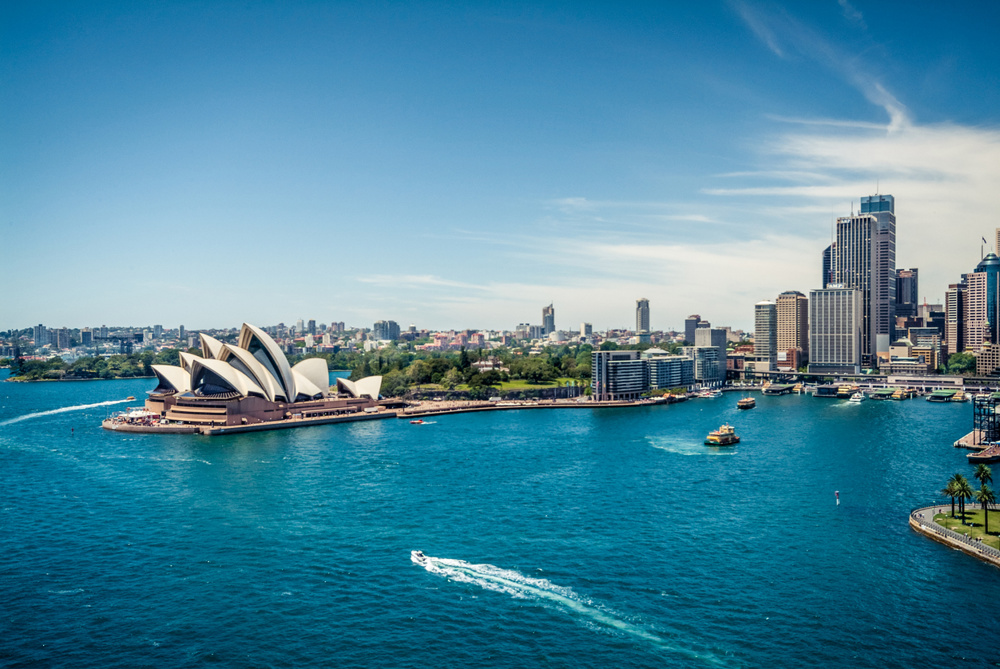
Nearby Kata Tjuta offers striking dome formations and rewarding walking trails within the same national park. Head to Sydney for Opera House Sydney photo ops against the stunning harbor backdrop, then drive Victoria's Great Ocean Road to see the Twelve Apostles, limestone stacks carved by coastal erosion up to 60 meters high. Off Queensland's coast, the Great Barrier Reef stretches 2,300 kilometers, delivering world-class snorkeling and diving.
Each landmark offers something genuinely distinct, making Australia's size feel like an advantage rather than a challenge. In Western Australia, the Bungle Bungle Range within Purnululu National Park features extraordinary beehive-shaped domes striped in red and black that can be explored on a one-hour walk through ancient gorges.
Australia's Wildlife Is Incredible: and Sometimes Genuinely Dangerous
Part of what makes Australia so unforgettable is its wildlife—though that same wildlife can seriously hurt you if you're not careful. Australia's venomous wildlife is staggering: 65% of its 220 snake species are venomous, compared to just 15% worldwide.
The Inland Taipan is the world's most venomous snake, while Brown Snakes cause the most human deaths. Sydney Funnel-Web and Redback spiders are genuinely dangerous, though spider fatalities remain rare. In northern waters, saltwater crocodiles and box jellyfish demand serious respect. Even the ocean stings back—bluebottles sting up to 30,000 people annually on the eastern coast.
Taking basic safety precautions—watching where you step, swimming at patrolled beaches, and heeding local warnings—dramatically reduces your risk. Australia's wildlife is extraordinary; just don't underestimate it. For snake bites on limbs, wrapping the area with large elastic bandages can slow the spread of venom through the lymphatic system until medical help arrives.
What First-Timers Must Know About Australian Beach Safety
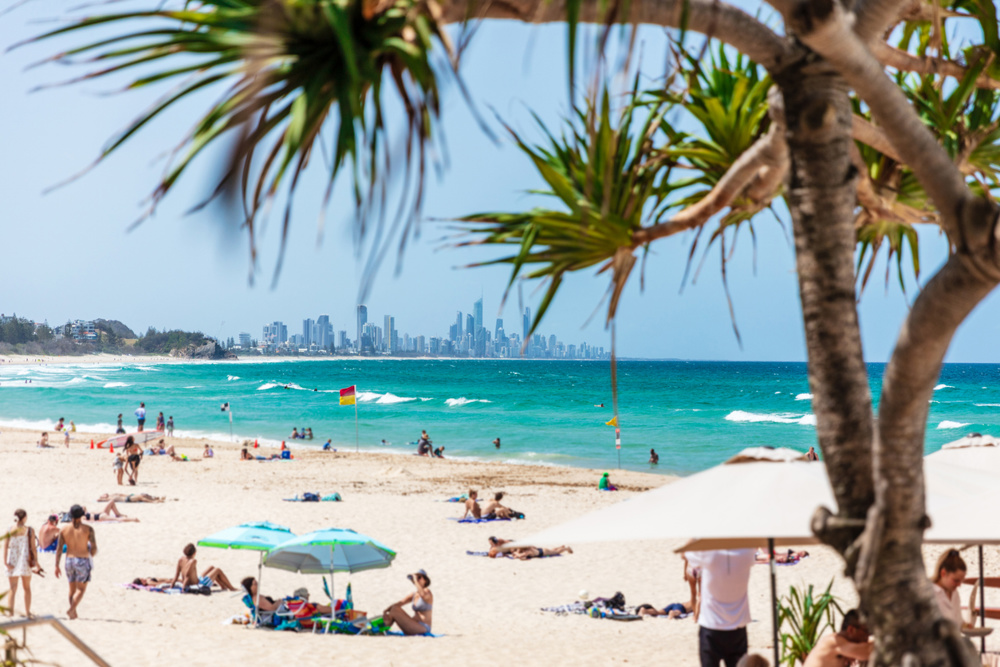
For a country with some of the world's most beautiful coastline, Australia's beaches carry real dangers that first-timers often underestimate. Flag etiquette matters here — always swim between the red and yellow flags, where lifeguards actively patrol. Black and white checkered flags mark surfing zones, so stay clear as a swimmer.
Rip awareness could save your life. Rips are Australia's deadliest beach hazard, silently pulling even strong swimmers offshore. Spot them by looking for calmer, channeled water cutting through the surf. If you're caught, don't panic and don't fight it. Float, raise your arm, and signal for help. Swim parallel to shore to break free, then angle back in.
Never swim alone, never swim drunk, and always enter water feet first. Even calm-looking water can conceal deeper channels and shifting sandbanks that generate unexpectedly strong currents beneath the surface.
How Australians Actually Behave Around Tourists
One thing that catches many first-time visitors off guard is just how casually friendly Australians are. Expect casual chit chat from strangers at the beach, in shops, or after a snorkeling session. They'll ask what you've seen, share recommendations, and never think twice about it.
You'll also notice their understated pride when describing their country. An Australian might call a breathtaking coastline "not bad" while you're standing there completely speechless. It's not indifference — it's just how they communicate.
However, don't mistake their easygoing nature for thick skin regarding criticism. If you voice complaints about Australia, locals will push back. They defend their country passionately, especially against tourists who overstep. Appreciate what you're shown, stay curious, and you'll find Australians genuinely warm and generous hosts.
Transportation Realities Across Australia
Transportation in Australia presents unique challenges due to the country’s size. Domestic flights are often the most practical way to travel between major cities, while road trips require significant time and preparation. Public transportation is reliable within urban areas but becomes limited once you move into regional or remote locations.
Planning transportation in advance is essential. Booking flights early, understanding travel durations, and allowing buffer time between connections can prevent unnecessary stress. This is especially important for first-time visitors who may underestimate distances between destinations.
Combining different modes of transport creates a more efficient itinerary. Flights can cover long distances quickly, while local transport or short drives allow for more detailed exploration. This balance helps maximize time while keeping the journey manageable.
Food Culture and Dining Expectations
Australia’s food culture reflects its multicultural influences and strong emphasis on fresh, high-quality ingredients. Dining ranges from casual cafés to fine dining, with a noticeable focus on presentation and seasonal produce. Coffee culture is particularly strong, especially in cities like Melbourne and Sydney.
Visitors may notice differences in dining customs. Tipping is not expected in most situations, as service is typically included in pricing. Menu prices may appear higher, but they generally reflect both quality and labor standards.
Exploring local food adds depth to the travel experience. Visiting markets, trying regional specialties, and experiencing café culture offer insight into everyday life. Food becomes more than a necessity—it becomes part of understanding the country.
Why Travel Planning Matters More in Australia
Planning is especially important when visiting Australia because of its size and regional diversity. Unlike smaller destinations, distances and availability can limit spontaneous travel options. Without preparation, it is easy to lose time navigating logistics.
A structured approach helps manage both time and expectations. Booking key elements such as accommodation and transportation in advance ensures smoother transitions between destinations. This allows travelers to focus more on the experience itself.
At the same time, planning should allow for flexibility. Leaving room for adjustments ensures that unexpected opportunities or changes do not disrupt the trip. A balanced approach creates a travel experience that is both organized and adaptable.
Conclusion
Australia offers a travel experience defined by scale, diversity, and contrast. From its vast landscapes to its vibrant cities, the country challenges expectations and rewards careful planning. Understanding key factors such as distance, climate, and cultural norms allows visitors to navigate these differences more effectively.
This awareness transforms potential challenges into manageable aspects of the journey. Ultimately, visiting Australia for the first time is about adapting to a unique environment. With the right preparation, the surprises become part of what makes the experience memorable.