DFW Metroplex Travel Guide: Where to Go, Eat, Stay, Explore
The Dallas–Fort Worth Metroplex offers a diverse mix of culture, entertainment, food, and outdoor experiences. From major attractions like AT&T Stadium in Arlington to the historic streets of the Fort Worth Stockyards, the region blends modern city life with deep Texas heritage. Spanning one of the largest metropolitan areas in the U.S., DFW features world-class museums, vibrant neighborhoods, and expansive parks—making it a destination where Dallas’s cosmopolitan energy meets Fort Worth’s Western roots.
Dallas–Fort Worth Neighborhoods: Downtown, Uptown, Stockyards, and Las Colinas
View this post on Instagram
Exploring DFW starts with its distinct neighborhoods, each offering a different perspective on the region. Downtown Dallas is home to the Dallas Arts District, one of the largest urban arts districts in the country, featuring venues like the Winspear Opera House and Wyly Theatre. Nearby, Dealey Plaza and The Sixth Floor Museum provide historical context, while Pioneer Plaza features one of the largest bronze monuments of its kind, depicting a cattle drive. Uptown Dallas and the Katy Trail offer walkable areas filled with restaurants, nightlife, and green space. Victory Park, anchored by the American Airlines Center, serves as a major entertainment hub for concerts and sporting events. In Fort Worth, the Stockyards National Historic District preserves the city’s cattle-driving past. Visitors can experience the Fort Worth Herd cattle drive, held twice daily, along with rodeos, shops, and live music at Billy Bob’s Texas. Las Colinas in Irving offers a quieter, business-oriented district known for the Mustangs of Las Colinas sculpture and waterfront dining.
Getting Around DFW: Transportation Tips and Travel Times
The DFW Metroplex is large, so understanding how to get around is essential. Driving Most visitors rely on a car. Typical travel times include:
- Dallas to Fort Worth: 35–50 minutes (traffic dependent)
- Dallas to Arlington: 20–30 minutes
- Dallas to Plano: 25–40 minutes
Public Transportation
- DART (Dallas Area Rapid Transit) serves Dallas, Plano, and surrounding suburbs
- TEXRail and Trinity Metro connect Fort Worth to DFW Airport and nearby cities
Public transit works best for specific routes, but driving remains the most flexible option.
AT&T Stadium, Six Flags, and Top Dallas–Fort Worth Entertainment Venues
View this post on Instagram
DFW is home to some of the most recognizable entertainment venues in Texas. AT&T Stadium in Arlington, home of the Dallas Cowboys, seats around 80,000 fans and can expand to over 100,000 for major events. Opened in 2009, it features a retractable roof and one of the largest high-definition video boards in the world. Nearby, Globe Life Field hosts the Texas Rangers, while Six Flags Over Texas offers roller coasters and family attractions. Other notable venues include:
- American Airlines Center (Dallas) – Home to the Mavericks and Stars
- Dickies Arena (Fort Worth) – Concerts, rodeos, and sporting events
- Toyota Music Factory (Irving) – Live entertainment and dining
These venues host everything from professional sports to concerts and major events.
Shopping in Dallas–Fort Worth: Malls, Districts, and Western Wear
View this post on Instagram
Shopping in DFW ranges from luxury malls to historic districts. Galleria Dallas is known for its multi-level shopping and indoor ice rink, while NorthPark Center features high-end retailers and an extensive art collection. In Fort Worth, the Stockyards offer a distinctly Texan shopping experience with Western wear, boots, and handmade goods. Stores like M.L. Leddy’s and other local outfitters specialize in custom boots and leather goods. For boutique shopping, areas like Bishop Arts District (Dallas) and Camp Bowie Boulevard (Fort Worth) offer locally owned stores and unique finds.
Museums and Cultural Landmarks From Dallas Arts District to Fort Worth
View this post on Instagram
DFW’s cultural institutions are among the best in Texas. The Dallas Museum of Art houses over 25,000 works spanning thousands of years, while the Perot Museum of Nature and Science features interactive exhibits and a striking modern design. The Nasher Sculpture Center and Crow Museum of Asian Art add to Dallas’s cultural offerings. In Fort Worth, the Cultural District includes:
- Kimbell Art Museum (Louis I. Kahn design)
- Modern Art Museum of Fort Worth (Tadao Ando design)
- Amon Carter Museum of American Art
The Sixth Floor Museum at Dealey Plaza remains one of the most visited historical sites in Texas.
Fort Worth Botanic Garden, Katy Trail, and Best Outdoor Spaces
View this post on Instagram
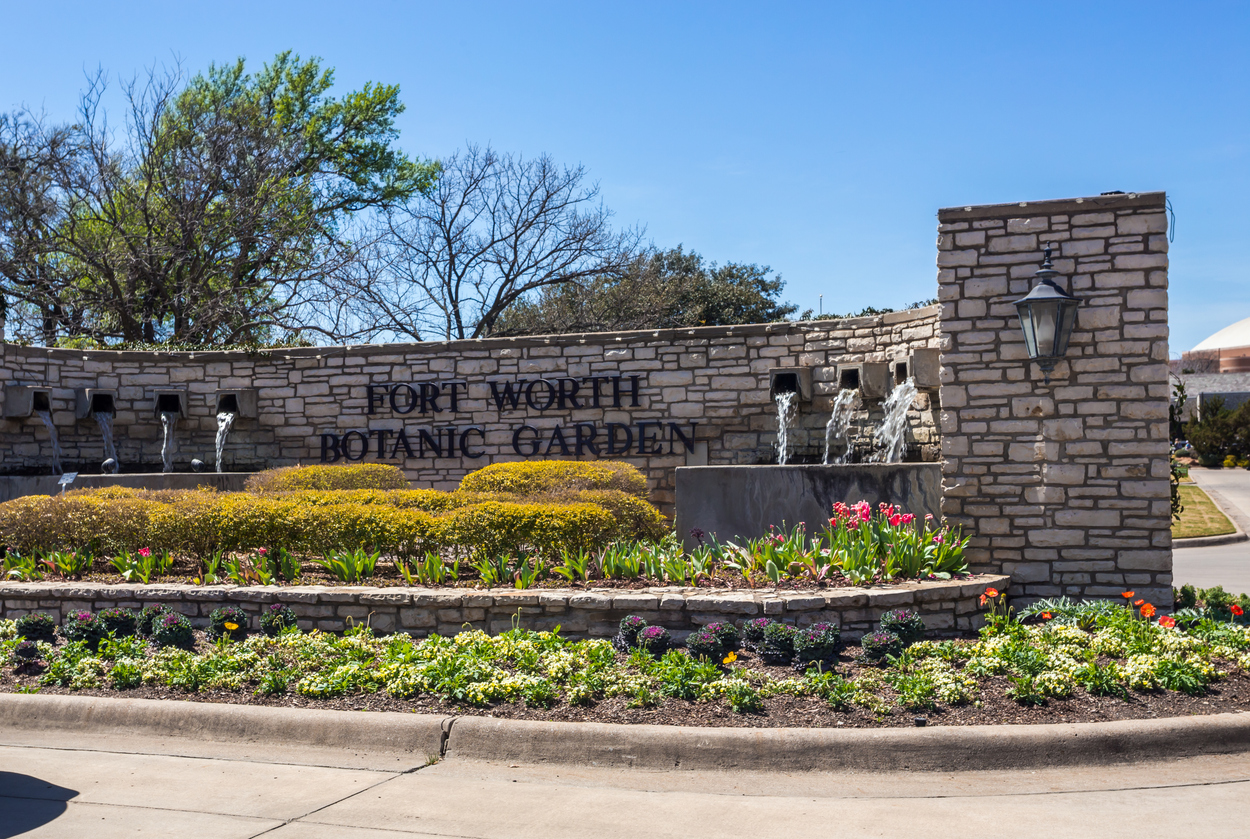
DFW offers a wide range of outdoor spaces for relaxation and recreation. The Fort Worth Botanic Garden, established in 1934, spans over 100 acres and includes the well-known Japanese Garden, rose gardens, and seasonal displays. In Dallas, the Katy Trail provides a popular path for walking, jogging, and biking through Uptown. Other notable outdoor spots include:
- Klyde Warren Park (Dallas) – An urban park built over a freeway
- White Rock Lake (Dallas) – A favorite for cycling, kayaking, and picnics
- Trinity Trails (Fort Worth) – Over 100 miles of trails along the Trinity River
These spaces offer a balance of nature and city access throughout the metroplex.
Where to Eat in Dallas–Fort Worth
DFW’s food scene reflects its diversity and Texas roots. In Dallas, you’ll find:
- Tex-Mex staples like enchiladas and fajitas
- Upscale dining in Uptown and Downtown
- International cuisine across neighborhoods
In Fort Worth:
- BBQ restaurants serving brisket, ribs, and sausage
- Steakhouse dining rooted in cattle country traditions
Popular food areas include Deep Ellum, Bishop Arts District, and Near Southside Fort Worth, each offering a mix of casual and upscale options.
Where to Stay in Dallas–Fort Worth
DFW offers accommodations for every type of traveler. Luxury stays:
- Uptown Dallas hotels
- Resorts in Las Colinas
Mid-range options:
- Downtown Dallas and Fort Worth hotels near major attractions
Budget-friendly stays:
- Suburban hotels in Plano, Arlington, and Irving
Choosing a location near your main activities can help reduce travel time across the large metroplex.