
How to Build a Family Travel Calendar for Visiting Australia

Planning a family trip to Australia requires more than choosing destinations—it requires structure. The country’s size, regional diversity, and travel distances make a well-organized calendar essential for avoiding exhaustion and maximizing experiences. A thoughtful travel plan allows families to balance exploration with rest while making the most of their time.
The most effective approach is to treat the trip as a sequence of carefully selected regions rather than a checklist of attractions. By focusing on a manageable number of destinations and allowing enough time in each, families can experience Australia without feeling rushed. This creates a more immersive and enjoyable journey.
How Long Should Your Australia Family Trip Actually Be?
Choosing the right trip length is one of the most important decisions in planning a family visit to Australia. Due to long travel distances and time zone adjustments, shorter trips can feel rushed and exhausting. A minimum of two weeks allows families to settle into the rhythm of travel while exploring multiple regions comfortably.
Shorter trips can still be successful with a focused itinerary. A one-week visit works best when limited to one or two regions, such as Sydney and the Great Barrier Reef. A ten-day trip allows for slightly more variety, but still requires careful planning to avoid overextending.
For most families, fourteen days offers the best balance. This timeframe allows for a mix of city experiences, natural landscapes, and unique attractions while maintaining a manageable pace. Staying three to four nights in each destination helps reduce constant packing and allows for deeper engagement with each location.

Plan Around Australian Seasons and School Holidays
Timing your Australia trip around both seasons and school holidays can mean the difference between a smooth, affordable adventure and an overcrowded, overpriced one. Each season reveals different regional events and seasonal festivals worth targeting.
- Spring (Sep–Nov): Cooler Uluru walks, whale watching, fewer crowds
- Autumn (Mar–May): Ideal for hiking, Great Ocean Road, Kimberley waterfalls
- Winter (Jun–Aug): Northern beaches and reefs without stingers or cyclones
- Summer (Dec–Feb): Coastal stays and long-distance road trips during extended breaks
- Shoulder seasons: Travel just outside exact holiday dates for better pricing and availability
Check each state's specific school holiday dates, since they vary markedly and affect crowd levels across popular destinations. Being flexible with your travel dates also improves your chances of finding better flight deals through budget carriers like Jetstar that can make regional family travel more affordable. Using an online currency converter to track the Australian dollar against the USD helps families budget more accurately before and during the trip.
Create your own travel calendar to plan adventures and remember important trip dates.
Choose the Right Australian Regions for Your Family
Australia offers a wide range of environments, and selecting the right regions is essential for building a balanced itinerary. Each area provides a different type of experience, from coastal cities to remote natural landscapes. Matching destinations to family interests ensures a more engaging trip.
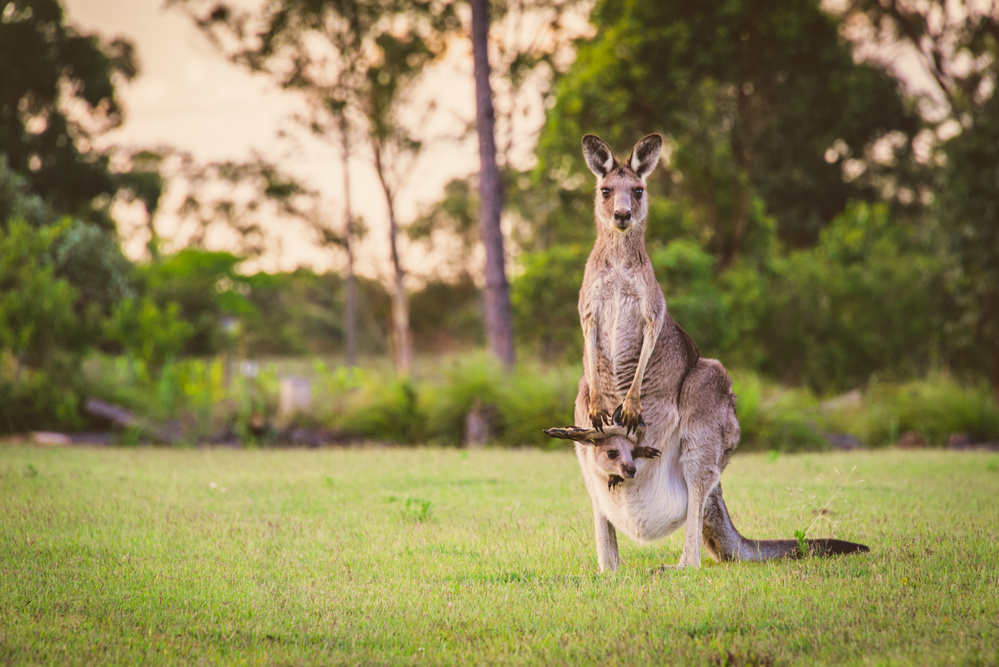
For wildlife and nature, regions like Kangaroo Island, Tasmania, and Kakadu National Park provide unique encounters and educational experiences. Coastal destinations such as the Gold Coast and Cairns offer beaches, marine life, and outdoor activities. Cities like Sydney and Melbourne add cultural and urban elements to the itinerary.
Limiting the number of regions helps maintain a manageable schedule. Selecting four to six key locations allows families to experience variety without constant travel. This approach ensures that each destination contributes meaningfully to the overall journey.
Sequence Destinations Without Exhausting Your Kids
Mapping out your route thoughtfully prevents Australia's vast distances from wearing your kids down before the best experiences even begin. Use activity gradients and staggered rest days to build momentum without burnout.
Follow this logical sequence:
- Start with Sydney (4+ nights) to establish comfort before remote travel
- Add Blue Mountains as a two-hour day drive, not an overnight disruption
- Fly to Uluru (three-hour flight) for outback immersion
- Shift to Cairns-Port Douglas for reef and rainforest activities
- Consolidate reef snorkeling, wildlife encounters, and rainforest exploration within one region
Position high-energy adventures after acclimatization days, and treat multi-hour flights as dedicated travel days rather than stacking activities on top. Keeping 4-6 total destinations across two weeks eliminates constant suitcase shuffling. The Daintree Discovery Centre is the recommended starting point for families exploring what is recognized as the oldest rainforest on the planet.
Book Australia Accommodation Before You Book Anything Else
Accommodation serves as the foundation of a travel calendar. Securing lodging first establishes the structure of the trip, determining where and when each part of the journey will take place. Once accommodations are confirmed, other elements such as flights and activities can be planned more effectively.
Booking in advance is especially important for popular destinations. Coastal regions, holiday parks, and major cities often experience high demand, particularly during peak travel periods. Early reservations provide more options and greater flexibility.
Choosing the right type of accommodation also affects the overall experience. Family-friendly options with convenient locations reduce daily travel time and simplify logistics. This allows families to focus more on enjoying their surroundings.
Plan Daily Schedules That Keep Kids Happy
Daily planning plays a key role in maintaining a positive travel experience for families. A structured but flexible schedule helps balance activity and rest, ensuring that children remain engaged without becoming overwhelmed.
Mornings are often the best time for more active experiences, while afternoons can be reserved for lighter activities or relaxation. This natural rhythm aligns with energy levels and helps prevent fatigue. Including downtime in the schedule allows for recovery and spontaneity.
Consistency also provides a sense of stability. Simple routines, such as regular meal times or familiar activities, help children adjust to new environments. This balance between structure and flexibility supports a smoother and more enjoyable trip.
How to Keep Kids Engaged Throughout the Journey
Keeping children engaged during a long trip to Australia requires thoughtful planning that balances excitement with comfort. Travel days, in particular, can be challenging, so incorporating simple activities such as games, books, or interactive apps helps make long flights and drives more manageable. Preparing a small selection of familiar items can also provide comfort in unfamiliar environments.
Engagement continues at each destination by tailoring activities to different interests and energy levels. Mixing outdoor adventures with interactive experiences—such as wildlife parks, aquariums, or cultural exhibits—keeps curiosity active. Allowing children to participate in choosing activities also increases their sense of involvement and enjoyment.
Maintaining a consistent rhythm throughout the trip helps sustain engagement. Alternating active and restful periods ensures that children remain interested without becoming overwhelmed. When travel feels both predictable and varied, it becomes easier for families to maintain a positive and enjoyable experience.
How to Balance Travel Time and Experiences
One of the biggest challenges in planning a family trip to Australia is managing travel time effectively. The country’s vast distances mean that moving between destinations can take up a significant portion of the itinerary if not carefully structured. Prioritizing a smaller number of locations helps ensure that travel enhances the experience rather than overwhelming it.
Travel segments should be treated as distinct parts of the schedule. Flights, transfers, and long drives require time and energy, particularly for children. Allowing space for rest after these transitions helps maintain enthusiasm and prevents fatigue from affecting the rest of the trip.
A well-balanced itinerary focuses on quality over quantity. By reducing unnecessary movement and allowing more time within each destination, families can engage more deeply with their surroundings. This approach ensures that travel remains enjoyable and that each location is experienced fully.
Creating a Flexible Travel Calendar That Adapts
Even the most carefully planned itinerary benefits from built-in flexibility. Travel often involves unpredictable factors such as weather changes, delays, or shifting interests, especially when traveling with children. A flexible calendar allows families to respond to these changes without disrupting the overall trip.
Including buffer time within the schedule creates opportunities for adjustment. Extra time can be used to revisit favorite activities, rest when needed, or explore unexpected options that arise during the journey. This adaptability helps maintain a sense of ease and enjoyment.
A travel calendar should function as a framework rather than a strict plan. By allowing room for change, families can maintain structure while still responding to real-time needs. This balance ensures that the itinerary remains both organized and responsive.
How to Use Your Travel Calendar to Reduce Stress
A well-structured travel calendar can significantly reduce the stress often associated with family travel. By organizing key details such as accommodations, transportation, and activities in advance, families can approach each day with clarity and confidence. This preparation minimizes last-minute decision-making and uncertainty.
Clear scheduling also improves coordination among family members. When everyone understands the plan for the day, transitions between activities become smoother. This shared awareness helps prevent confusion and allows families to focus more on enjoying their time together.
At the same time, a travel calendar should remain practical and manageable. Keeping entries simple and easy to follow ensures that the plan is helpful rather than overwhelming. When used effectively, a travel calendar becomes a tool that supports relaxation, making the overall journey more enjoyable for everyone involved.
Building Lasting Family Experiences Through Travel
A thoughtfully planned travel calendar does more than coordinate logistics—it shapes the experiences that families share throughout the journey. By organizing time effectively, families can focus on moments that encourage connection, exploration, and shared enjoyment.
Experiences such as visiting natural landmarks, observing wildlife, or engaging with local culture create meaningful interactions. These activities provide opportunities for learning and discovery, making the trip both enjoyable and enriching. They often become the most memorable parts of the journey.
Focusing on meaningful experiences rather than simply covering multiple locations leads to a more cohesive trip. Each destination contributes to a broader narrative, allowing families to create lasting memories. Over time, these shared experiences become an important part of family life.
Conclusion
Building a family travel calendar for Australia requires careful planning, but the results are well worth the effort. By balancing time, location, and energy, families can create an itinerary that is both manageable and enriching. Focusing on fewer destinations, allowing adequate time in each, and maintaining flexibility ensures a smoother journey.
These elements help transform a complex trip into an enjoyable and memorable experience. Ultimately, a well-structured calendar allows families to fully appreciate what Australia has to offer. With the right approach, travel becomes not just a series of destinations, but a meaningful shared adventure.