How Australia’s Major Cities Influence Pop Culture at Home and Abroad
Australia’s pop culture identity is shaped most visibly through its cities, particularly Sydney and Melbourne. These urban centers function as cultural hubs where trends are created, refined, and exported to the rest of the world. Their influence extends across music, fashion, festivals, and entertainment, making them central to understanding how Australian culture operates.
What distinguishes these cities is not just their output, but their role as cultural filters. They absorb global influences, reinterpret them, and produce something that reflects local identity. This process allows Australian pop culture to remain connected internationally while maintaining a distinct voice. Examining how these cities operate reveals a broader pattern.
Why Sydney and Melbourne Dominate Australia's Pop Culture Scene
Sydney and Melbourne occupy leading roles in Australia’s cultural landscape because of their infrastructure, visibility, and historical development. Both cities have invested heavily in creative industries, allowing artists, performers, and designers to build sustainable careers. This concentration of resources naturally positions them as cultural leaders.
Sydney often operates as the global-facing city. Its recognizable landmarks, large-scale events, and international connections give it visibility that extends beyond national borders. Melbourne, by contrast, is known for its depth and diversity, with a strong emphasis on grassroots arts, independent venues, and everyday cultural experiences.
Together, these cities create a balanced cultural ecosystem. Sydney provides scale and global reach, while Melbourne offers experimentation and artistic density. This combination allows Australian pop culture to be both widely visible and creatively rich.
How Sydney Became a Global Pop Culture Powerhouse
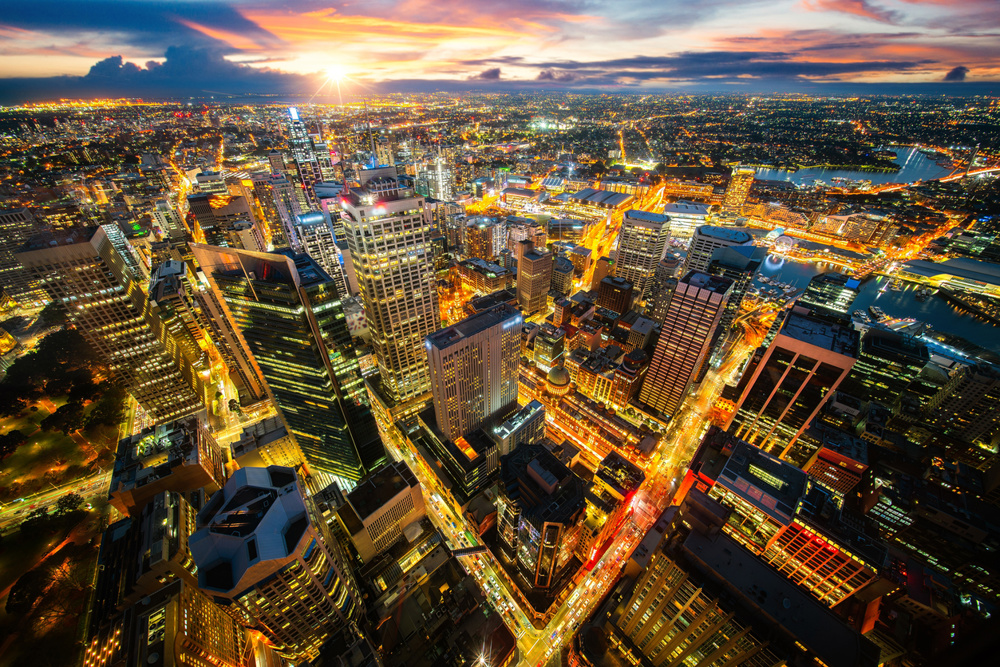
Sydney's rise as a global pop culture powerhouse didn't happen by accident. The city built creative infrastructure that nurtured acts like AC/DC, INXS, Midnight Oil, and Tame Impala, all of whom reshaped global music. It launched Big Day Out in 1992, bringing Nirvana alongside homegrown talent, and exported stars like Nicole Kidman, Russell Crowe, and Hannah Gadsby to international audiences.
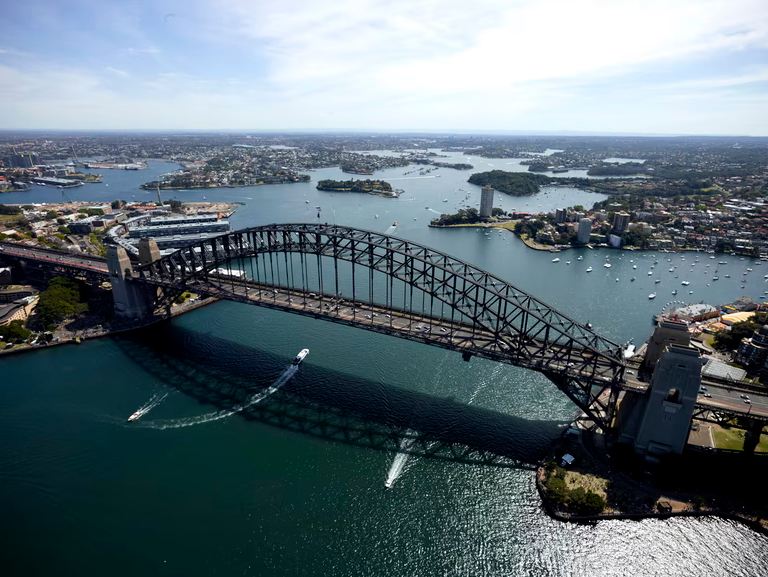
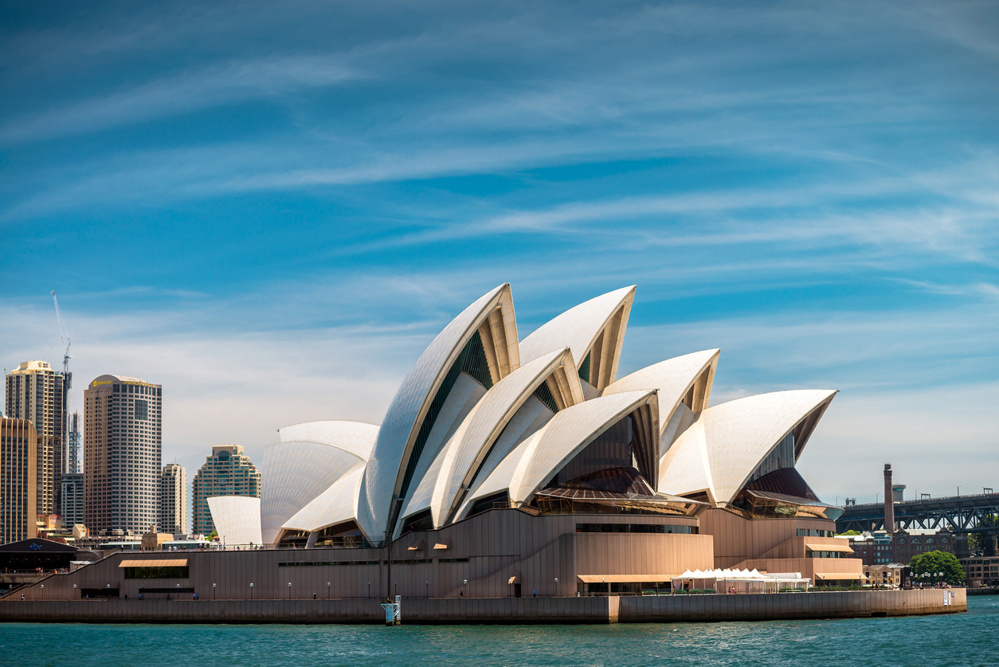
You can't overlook harbor iconography either. The Sydney Opera House appears in global pop culture imagery, while Sydney Harbour anchored scenes in Finding Nemo and The Matrix. Hosting the 2000 Olympics and WorldPride 2023 further cemented its cosmopolitan identity. With one of the world's most culturally diverse populations, Sydney doesn't just participate in global pop culture — it actively shapes it.
This cultural reach has been amplified by global streaming platforms, with Netflix's growth to 27.1 million subscribers by 2012 dramatically expanding international audiences for Australian-made content. Underpinning this cultural output is AUD 40 million invested annually by the City of Sydney into cultural life, funding everything from major public events to artist commissions that keep creative talent rooted in the city.
Why Melbourne Still Claims the Title of Australia's Arts Capital
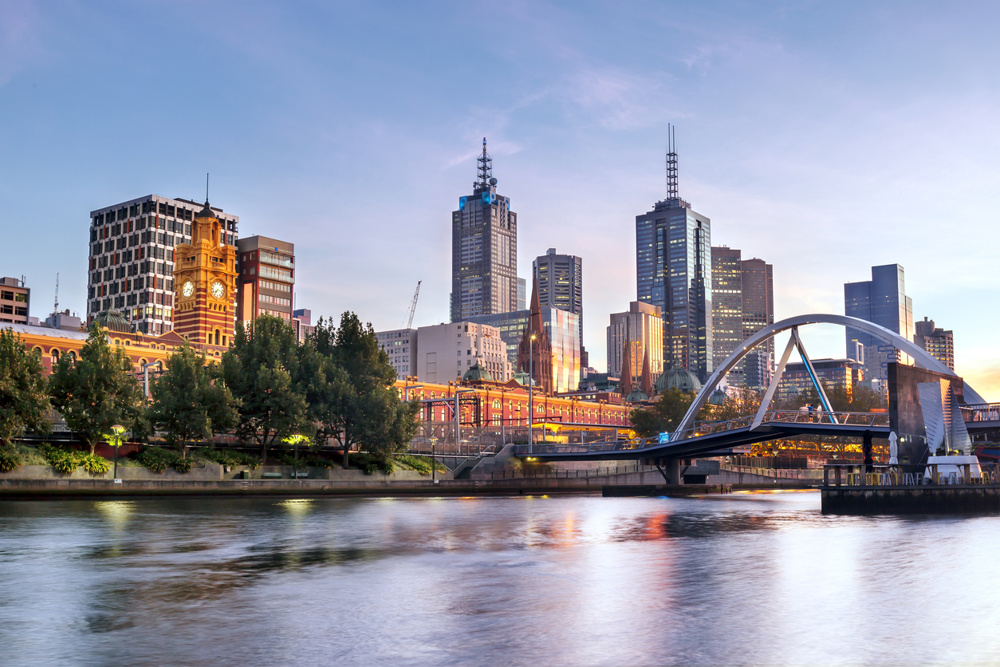
While Sydney commands global attention, Melbourne's claim to Australia's arts capital rests on foundations far older and deeper. Its Victorian heritage traces back to the 1850s gold rush, which funded grand theatres, galleries, and public libraries that still define the city today.
You'll find world-class exhibitions at the National Gallery of Victoria, live performances across more venues than any other Australian city, and laneway murals transforming Hosier Lane into an open-air gallery visited by art lovers worldwide.
Federation Square anchors it all, hosting free performances and international exhibitions year-round. Yet Melbourne's status isn't guaranteed. The City of Melbourne's proposed elimination of its Creative City arts branch threatens to strip the infrastructure that keeps this cultural capital thriving. Notably, arts-led urban strategy has proven its economic worth before, with Postcode 3000 credited with pulling the city out of deep recession in the 1990s.
The Festivals That Made Sydney and Melbourne World-Famous
Festivals play a major role in shaping how Australian cities are perceived globally. In Sydney, events such as Vivid Sydney transform public spaces into large-scale artistic installations, attracting millions of visitors and showcasing the city’s creative potential.
Melbourne contributes its own set of influential festivals, ranging from cultural celebrations to international sporting events. These gatherings bring together diverse audiences and highlight different aspects of the city’s identity, from performance art to community engagement.
These festivals serve as platforms for cultural exchange. They allow local artists to reach wider audiences while introducing international influences into the Australian context. Through these events, both cities reinforce their positions within the global cultural network.
Check out MrPopCulture.com and learn more about pop culture trends in Australia’s major cities.
The American Music That Australians Made Their Own
Australia's festival culture didn't emerge in a vacuum — it grew alongside a deeper hunger for borrowed sounds, styles, and scenes from across the Pacific. You can trace this back to the 1960s, when American rock and roll triggered a teenager craze that reshaped commercial radio overnight. Johnny O'Keefe didn't just imitate — he absorbed and reinvented.
Those same instincts drive today's country music boom. You're watching Honky Tonk Reinventions play out across Sydney and Melbourne, where 92% of streams come from city residents. Southern Gothic Adaptations are landing on TikTok, racking up 196 million views locally. Beyoncé, Post Malone, and Shaboozey accelerated what was already building.
Australians aren't passive consumers — they absorb American sounds, then reshape them into something distinctly their own. 746% ticket sales growth between 2019 and 2024 confirms this isn't a passing trend but a structural shift in how Australian audiences engage with the genre.
How U.S. Fashion Trends Hit Australian Streets
Fashion trends originating in the United States often reach Australian cities quickly, particularly through media and global events. These trends influence how people dress in both casual and formal settings, shaping everyday style.
In cities like Melbourne and Sydney, these influences are adapted to suit local conditions. Climate, lifestyle, and cultural preferences all play a role in how trends are modified. This results in styles that reflect both global inspiration and local practicality.
This process highlights the role of cities as cultural translators. Rather than simply adopting external trends, they reshape them, creating new expressions that contribute to the broader fashion landscape.
Sports, Streaming, and the American Entertainment Takeover
American entertainment doesn't just influence Australian culture — it's actively reshaping it. AFL clubs now use American-style stadium marketing to attract global streaming audiences, while cricket broadcasting has adopted U.S. TV formats to broaden international appeal. Sydney's sports venues host NBA-style basketball exhibitions, blending American energy with local tradition.
Streaming adaptations are accelerating this shift. U.S. content dominates platforms, squeezing local productions out of the spotlight. Yet Australian cities push back effectively. Sydney's Creative City strategy actively supports local creatives, and Melbourne-based shows continue launching artists to international streaming success. Darwin's indigenous festivals are now digitized, reaching global audiences on their own terms.
You're watching two forces compete — American entertainment's aggressive reach versus Australia's determination to keep its cultural voice loud and distinct. The Melbourne International Comedy Festival is recognized as one of the three largest stand-up comedy festivals in the world, proving that Australian cities can cultivate homegrown entertainment institutions that rival any global export.
How Sydney and Melbourne Turned American Imports Into Something Australian
Sydney and Melbourne play a central role in transforming imported cultural influences into expressions that reflect Australian identity. Rather than simply adopting trends from the United States, these cities reinterpret them through local contexts, shaping how they are experienced and understood.
Music provides a clear example of this transformation. Genres such as rock, hip-hop, and pop have strong American roots, yet Australian artists and audiences reshape them by incorporating local themes, accents, and perspectives. Similarly, fashion trends are adjusted to suit climate, lifestyle, and social norms, resulting in styles that feel both familiar and distinctly Australian.
This pattern of adaptation extends across entertainment and media. Film, television, and digital content often draw on global formats while reflecting local experiences. By filtering imported influences through their own cultural lens, Sydney and Melbourne ensure that Australian pop culture remains connected to global trends while maintaining its individuality.
The Australian Artists and Exports Shaping Global Pop Culture
Australian artists continue to contribute significantly to global pop culture, with many achieving international recognition across music, film, and digital media. Cities like Sydney and Melbourne provide the infrastructure and exposure needed for talent to develop and reach broader audiences. These environments support creative growth while facilitating connections to global industries.
What distinguishes many Australian artists is their ability to combine local identity with international appeal. Musicians, for example, often incorporate elements of Australian life into globally recognized genres, creating work that resonates across cultures while remaining grounded in their origins. This balance allows them to connect with diverse audiences without losing authenticity.
As these artists gain visibility, they expand Australia’s cultural presence on the world stage. Their success encourages further exchange between local and international creative communities. Over time, this ongoing interaction strengthens Australia’s role in shaping global pop culture, reinforcing its influence beyond its geographic boundaries.
Which Australian City Leads Pop Culture Today?
The debate over which Australian city leads pop culture has long centered on Melbourne, but 2025 tells a different story. Sydney's now ranked fifth globally for culture by Time Out, tying with Paris for expert votes. You'll find the energy in its Film Festival, Mardi Gras, and Enmore Theatre's live circuit.
Meanwhile, Darwin quietly dominates among capitals per capita, driven by Indigenous storytelling and multicultural festivals that bigger cities can't replicate. Hobart follows with MONA FOMA pushing contemporary art boundaries.
Melbourne still commands respect through its café culture and laneway scene, but it's dropped off the global top list entirely. Sydney's coastal streetwear aesthetic and community gallery crawls signal where pop culture momentum actually lives right now — and it's shifting fast. In total counts, Sydney leads the nation with 535 cultural experiences, outpacing every other city in sheer volume of offerings.
Conclusion
Australia’s pop culture is shaped by the environments in which it develops. Sydney and Melbourne provide the infrastructure, diversity, and visibility needed to support creative expression.
Their influence extends beyond national borders, contributing to global cultural conversations. At the same time, they maintain a distinct identity through adaptation and innovation.
Ultimately, these cities demonstrate how culture is built. It emerges from interaction, evolves through influence, and endures through the communities that sustain it.