Austin Guide: Music, Food & Outdoor Culture Explained
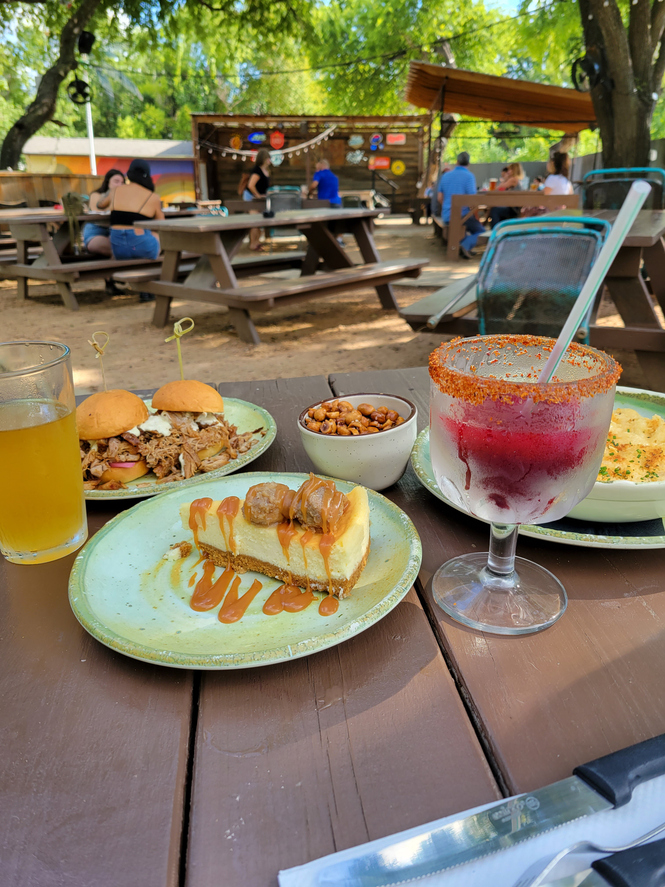
Austin blends live music, bold food culture, and outdoor recreation into one of the most dynamic city experiences in Texas. Known as the “Live Music Capital of the World,” the city supports hundreds of venues, a deep pool of local talent, and major events like SXSW and Austin City Limits Music Festival. With a thriving food truck scene, iconic Tex-Mex staples, and easy access to parks, lakes, and trails, Austin offers a lifestyle where culture and the outdoors naturally intersect.
What Makes Austin the Live Music Capital of the World?
View this post on Instagram
Austin’s reputation as the Live Music Capital of the World comes from its high concentration of venues and consistent live performances across the city. On any given night, you’ll find music across areas like Sixth Street, the Red River Cultural District, and South Congress. The city has long supported a strong music ecosystem, from legends like Willie Nelson and Stevie Ray Vaughan to modern acts like Spoon. Major events such as SXSW and Austin City Limits Music Festival bring international attention, while smaller shows keep the scene active year-round. Austin’s musical roots trace back to the late 19th century, with historic venues like Scholz Garten and cultural halls established by early immigrant communities helping shape the city’s identity.
Best Times to Visit Austin: Weather for Outdoor Activities
Austin’s climate plays a major role in shaping the visitor experience. Spring (March–May) and fall (September–November) offer the most comfortable weather, with temperatures typically ranging from the 60s to 80s°F, making them ideal for festivals, hiking, and outdoor dining. Summer (June–August) can be extremely hot, often exceeding 95°F, so activities tend to shift toward early mornings, evenings, and water-based recreation like Barton Springs Pool. Winter (December–February) is generally mild, with daytime temperatures often in the 50s to 60s°F, allowing for continued outdoor exploration and fewer crowds.
Austin's Festival Calendar: SXSW, ACL, and Beyond
Austin hosts major festivals throughout the year, covering music, food, film, and cultural traditions. SXSW (March) combines music, film, and technology into one of the city’s largest events. Spring also includes Rodeo Austin, the Moontower Comedy Festival, and outdoor performances like the Zilker Summer Musical (late spring into summer). Summer events include Austin PRIDE, community celebrations, and live music series across the city. Fall is peak festival season, anchored by Austin City Limits Music Festival, along with cultural events like Viva La Vida Festival and the Austin Celtic Festival.
Best Music Venues in Austin From Dive Bars to Concert Halls
View this post on Instagram
Austin’s music culture thrives in its venues, ranging from historic clubs to modern concert halls.
- Antone’s Nightclub – A legendary blues venue established in 1975
- The Continental Club – A long-running venue known for roots and rock performances
- The Saxon Pub – A staple for singer-songwriters and local acts
- Hotel Vegas – A hub for indie and emerging artists
- ACL Live at the Moody Theater – A premier venue hosting major touring acts
- Elephant Room – A well-known underground jazz club
These venues represent the backbone of Austin’s live music identity.
Must-Try Austin Dishes and Where to Find Them
View this post on Instagram
Austin’s food culture is centered around Tex-Mex, barbecue, and creative street food. Matt’s El Rancho is known for its famous Bob Armstrong Dip, a signature queso dish. Breakfast tacos are a staple, with spots like Veracruz All Natural offering popular options such as migas tacos. For classic Tex-Mex and fajitas, local restaurants across the city provide both traditional and modern takes on regional cuisine. Austin’s taco scene ranges from traditional carnitas to more inventive, chef-driven creations found in restaurants and food trucks.
Austin BBQ: Iconic Spots You Shouldn’t Miss
View this post on Instagram
No visit to Austin is complete without experiencing its legendary Central Texas barbecue, known for slow-smoked meats and simple seasoning that highlights flavor. Franklin Barbecue is the city’s most famous BBQ destination, nationally recognized for its brisket, often drawing long lines before opening. It has earned widespread acclaim and remains a must-visit for serious barbecue fans. La Barbecue, located in East Austin, offers another top-tier experience with brisket, ribs, and house-made sausages, often considered among the best in the state. Other notable spots include Micklethwait Craft Meats and Terry Black’s Barbecue, both offering high-quality smoked meats with shorter wait times. Austin’s BBQ culture is rooted in tradition, where the focus is on smoke, meat quality, and technique, making it one of the defining elements of the city’s food scene.
Austin's Food Landscape: Food Trucks to Fine Dining Explained
View this post on Instagram
Austin’s dining scene includes hundreds of food trucks, which are a defining part of the city’s culinary identity. Popular food truck parks include:
- The Picnic (Barton Springs area)
- South Austin Trailer Park & Eatery
- The Thicket Food Park (South Austin)
- East Side Food Park (East Austin)
These locations offer a wide range of cuisines, from Thai and Filipino to classic Texas barbecue. Food trucks helped shape Austin’s modern food culture, providing accessible options for both locals and visitors while supporting independent chefs.
Outdoor Activities at Lady Bird Lake and Barton Springs Pool
View this post on Instagram
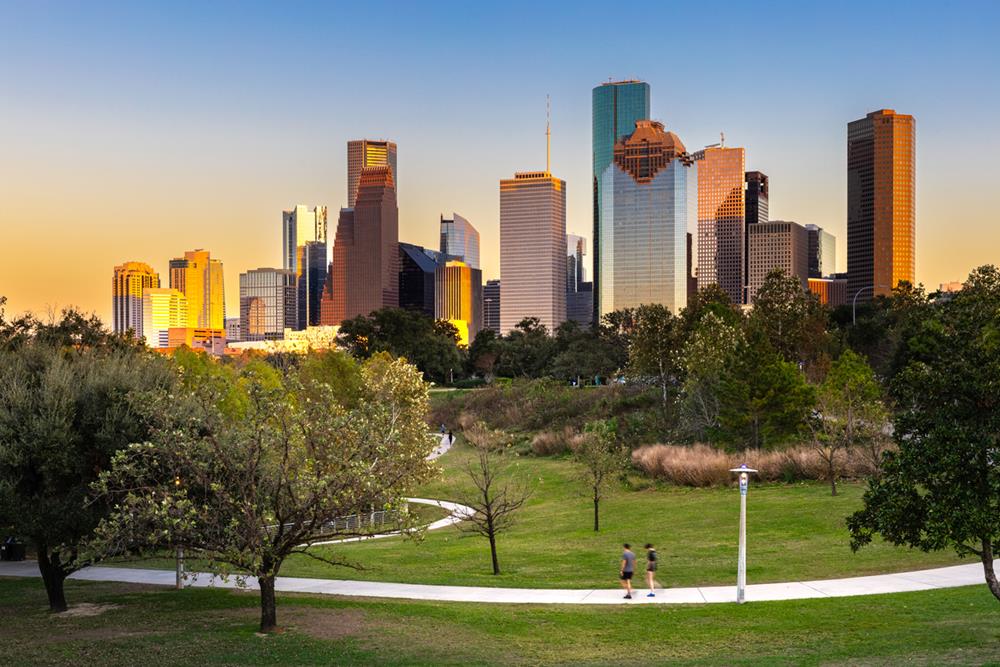
Austin’s outdoor culture is centered around Lady Bird Lake and nearby green spaces. The lake is popular for kayaking, paddleboarding, and walking trails, with scenic views of the downtown skyline. The Ann and Roy Butler Hike-and-Bike Trail loops around the water, offering one of the most accessible outdoor experiences in the city. Nearby, Barton Springs Pool provides a year-round swimming spot fed by natural springs, maintaining a consistent temperature around 68–70°F. From spring through early fall, visitors can also watch the Congress Avenue Bridge bats, one of Austin’s most unique wildlife experiences.
Top Hiking and Biking Trails Within 30 Minutes of Downtown
View this post on Instagram
Austin offers a variety of trails within a short drive of downtown.
- Barton Creek Greenbelt – A popular trail system with hiking, climbing, and swimming areas
- Walnut Creek Metropolitan Park – Known for biking trails and wooded paths
- McKinney Falls State Park – Features waterfalls and hiking routes
- Mount Bonnell – Offers panoramic views after a short climb
- Shoal Creek Trail – A convenient urban trail through central Austin
These locations provide options for both casual walks and more challenging outdoor adventures.
Day Trips from Austin: Hill Country and Beyond
Austin’s location makes it an ideal base for exploring nearby destinations in the Texas Hill Country. Dripping Springs, about 30 minutes west of Austin, is known for its wineries, distilleries, and natural attractions like Hamilton Pool Preserve. The Hill Country wine region, including towns like Driftwood, Wimberley, and Fredericksburg, offers scenic drives and tasting rooms featuring Texas-grown wines. Outdoor enthusiasts can visit Pedernales Falls State Park, where hiking trails and river views showcase the region’s natural beauty. These day trips provide a relaxing contrast to the city, combining scenery, food, and outdoor experiences within a short drive.
East Austin vs. South Congress: Where to Experience Music and Food
Austin’s neighborhoods offer distinct cultural experiences. South Congress (SoCo) is known for its walkable strip of restaurants, shops, and live music venues, anchored by historic spots like the Continental Club. East Austin offers a broader mix of art spaces, music venues, breweries, and diverse dining, reflecting the city’s evolving cultural landscape. Both areas provide strong access to Austin’s music and food scenes, with East Austin offering more variety and SoCo delivering a concentrated experience.
Austin Nightlife Districts: Rainey Street, Red River, and More
View this post on Instagram
While South Congress is a popular destination, Austin’s nightlife extends across several distinct districts, each offering a different atmosphere. Rainey Street is known for its unique collection of converted historic houses turned into bars, creating a lively yet walkable nightlife experience with patios, food trucks, and live music. The Red River Cultural District is the heart of Austin’s live music scene, featuring venues like Stubb’s, Mohawk, and Cheer Up Charlies, where you’ll find everything from indie rock to electronic music. Sixth Street remains one of the city’s most recognizable nightlife areas, especially for first-time visitors, with a mix of bars, clubs, and live music venues. Exploring multiple districts gives you a more complete view of Austin’s nightlife and music culture.
What You'll Actually Spend: Austin Music, Food, and Outdoor Budget
Austin can fit a range of budgets depending on your plans.
- Music venues: Free shows to $20+ cover charges; larger concerts can cost significantly more
- Food: $5–$10 food truck meals, $15–$30 casual dining, higher for upscale restaurants
- Outdoor activities: Many trails are free; rentals and guided activities add extra cost
- Drinks: Typically $6–$12 for beer or cocktails
Planning ahead helps balance free experiences with paid attractions, making Austin accessible for different travel styles.
Getting Around Austin: Transportation Tips for Visitors
Navigating Austin is easier when you understand your transportation options. Driving and parking: Downtown parking can be limited, especially during major events. Garages and paid street parking are widely available, but rates increase during peak times. Rideshare services: Options like Uber and Lyft are commonly used and provide convenient access between neighborhoods. Public transit: Capital Metro (CapMetro) operates buses and the MetroRail Red Line, connecting downtown Austin to surrounding areas like North Austin and Leander. Scooters and bikes: Electric scooters and bike-share programs are widely available in central areas, offering a quick way to travel short distances. Choosing the right transportation method can save time and make exploring Austin more efficient.