San Antonio Guide: Historic Sites, Food & Things to Do
San Antonio blends historic landmarks, vibrant food culture, and diverse attractions, making it one of Texas’ most compelling destinations. Along the San Antonio River, you’ll find centuries-old missions, cultural districts, and modern entertainment all within reach. Visitors can explore UNESCO-designated mission sites, experience the iconic River Walk, and enjoy a thriving culinary scene recognized as a UNESCO Creative City of Gastronomy. This guide highlights the most important historic sites, where to eat, and what to do during your visit.
San Antonio’s UNESCO World Heritage Missions
View this post on Instagram
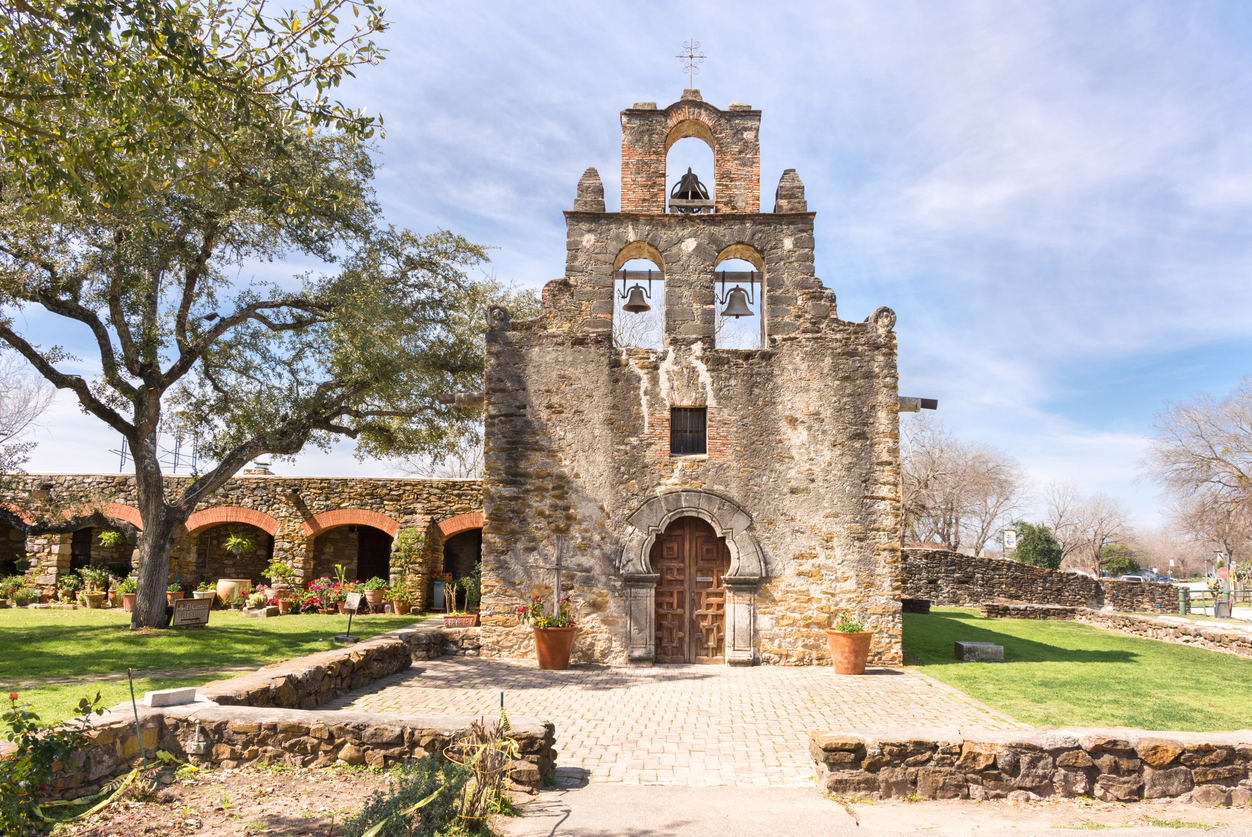
San Antonio is home to the only UNESCO World Heritage Site in Texas, designated in 2015. The site includes four missions—Mission Concepción, Mission San José, Mission San Juan Capistrano, and Mission Espada—along with associated features of the historic mission system. The Alamo (Mission San Antonio de Valero) is historically connected to the mission system but is managed separately and not included within the UNESCO park boundary. These 18th-century Franciscan missions reflect the interaction between Spanish settlers and Indigenous Coahuiltecan peoples, showcasing early agricultural systems, irrigation networks, and religious architecture. Today, they remain active parishes and protected historic landmarks.
The Alamo Chapel, Long Barrack Museum, and Gardens
View this post on Instagram
The Alamo stands as one of the most recognized historic sites in the United States. The chapel, originally part of an 18th-century mission, features thick limestone walls and architectural elements added during later periods, including modifications by the U.S. Army in the 19th century. Adjacent to the chapel, the Long Barrack Museum (Convento) is the oldest surviving building on the site and houses exhibits interpreting the Texas Revolution and daily life during the mission era. The surrounding grounds and gardens provide additional historical context, offering visitors space to explore the site beyond the main structures.
San Fernando Cathedral and the Historic Church District
View this post on Instagram
Founded in 1731, San Fernando Cathedral is one of the oldest active religious communities in the United States. Located in Main Plaza, it has served as a spiritual and cultural center for nearly three centuries. The cathedral’s current structure reflects a mix of Spanish Colonial origins and later Gothic Revival additions. In the evenings, visitors can view “San Antonio: The Saga,” a projection show that tells the story of the city through light and imagery. The surrounding historic district includes civic buildings and plazas that reflect San Antonio’s early development.
Spanish Governor’s Palace and Colonial Downtown
在 Instagram 查看这篇帖子
The Spanish Governor’s Palace, located at 105 Plaza de Armas, is one of the best-preserved examples of Spanish colonial architecture in Texas. Built in the 18th century, the structure features thick stone walls, a central courtyard, and period furnishings that reflect life during the presidio era. Although only briefly occupied by a Spanish governor, it remains an important historical site and museum. Its central location makes it easy to combine with visits to Market Square, Main Plaza, and the River Walk.
King William District: Victorian Homes and German Heritage
View this post on Instagram
The King William Historic District showcases San Antonio’s 19th-century growth, shaped largely by German immigrants. Developed beginning in the mid-1800s, the neighborhood features well-preserved Victorian homes in styles such as Italianate and Greek Revival. Prominent families, including the Guenther and Steves families, contributed to the area’s development. Today, the district remains a walkable neighborhood with historic homes, cultural sites, and proximity to the Guenther House and the former Pioneer Flour Mill, which continues to operate.
Mission Trail: How to Visit the Missions
The Mission Trail connects the historic missions along the San Antonio River, offering multiple ways to explore. Visitors can:
- Drive along Mission Road and Roosevelt Avenue
- Bike or walk the Mission Reach trail system
- Use VIA Metropolitan Transit routes that connect key stops
Allow at least half a day to visit multiple missions, with Mission San José Visitor Center serving as a helpful starting point. Ranger-led programs and interpretive displays provide deeper insight into each site.
Transportation and Parking Around Historic San Antonio
Navigating San Antonio’s historic areas is easiest with a mix of walking, driving, and public transit. Parking Tips
- Downtown offers paid garages and metered street parking, especially near the River Walk and Alamo
- Parking fills quickly during weekends and events, so arriving early is recommended
Public Transit
- VIA Metropolitan Transit provides bus routes connecting downtown, the missions, and surrounding neighborhoods
- The VIVA bus routes are especially useful for visiting cultural and historic sites
Walkability
- Areas like Downtown, the River Walk, and King William District are highly walkable
- Comfortable footwear is recommended for exploring multiple sites in one day
Using a combination of these options helps reduce travel time and simplifies your visit.
Government Canyon’s Dinosaur Tracks and Natural Exploration
View this post on Instagram
Government Canyon State Natural Area, located on the northwest side of San Antonio, offers a unique look at prehistoric history. The park features preserved dinosaur tracks estimated to be over 100 million years old, accessible via designated hiking trails. Visitors should be prepared for a moderate hike, as access to the tracks requires several miles of walking. The park also includes miles of trails for hiking, wildlife observation, and outdoor recreation, making it a great complement to the city’s historic attractions.
San Antonio’s Food Scene and Culinary Experiences
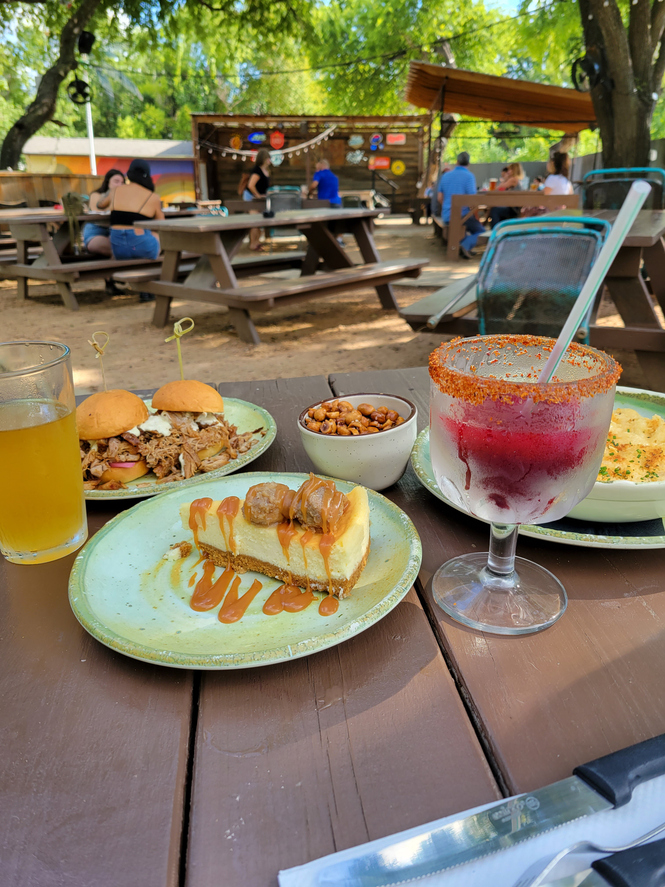
San Antonio’s designation as a UNESCO Creative City of Gastronomy reflects its deep culinary roots and evolving food scene. Visitors can enjoy traditional dishes like puffy tacos and Tex-Mex specialties, along with contemporary dining experiences in areas such as the Pearl District, Market Square, and the River Walk. Food-focused events and local restaurants highlight the city’s blend of Mexican, Texan, and global influences, making dining an essential part of any visit.
Where to Eat Along the San Antonio River Walk
View this post on Instagram
Dining along the San Antonio River Walk is a central part of the city’s experience, offering everything from casual Tex-Mex to upscale cuisine with waterfront views. Popular restaurants include:
- Boudro’s Texas Bistro – Known for its tableside guacamole and Texas-inspired dishes
- Iron Cactus Mexican Restaurant & Margarita Bar – A go-to for Tex-Mex favorites and riverfront seating
- Casa Rio – One of the River Walk’s oldest restaurants, recognized for its colorful umbrellas and traditional fare
- Domingo Restaurant – A more modern option offering elevated Mexican cuisine and stylish outdoor seating
Reservations are recommended during peak travel seasons and weekends, especially for outdoor tables along the river.
Free Admission Sites vs. Tours Worth Paying For
Many of San Antonio’s most significant sites offer free admission, including:
- The Alamo
- The San Antonio Missions National Historical Park
- The River Walk
Museums such as the San Antonio Museum of Art and McNay Art Museum offer free admission during select days or hours. Paid experiences that may enhance your visit include:
- Guided tours for deeper historical context
- Special exhibitions at museums
- Boat tours along the River Walk
Choosing a mix of free and paid experiences allows you to balance cost and depth of experience.
Best Months to Visit San Antonio’s Historic Sites
The best time to explore San Antonio is typically spring (March–May) and fall (October–November), when temperatures are more comfortable for walking tours and outdoor attractions. Spring includes major events like Fiesta San Antonio, while fall features cultural celebrations such as Día de los Muertos. Winter offers fewer crowds and mild weather, while summer brings higher temperatures and larger crowds, making early morning or evening visits more comfortable.