Ultimate Texas Visitor Guide: Tips for First-Time Travelers
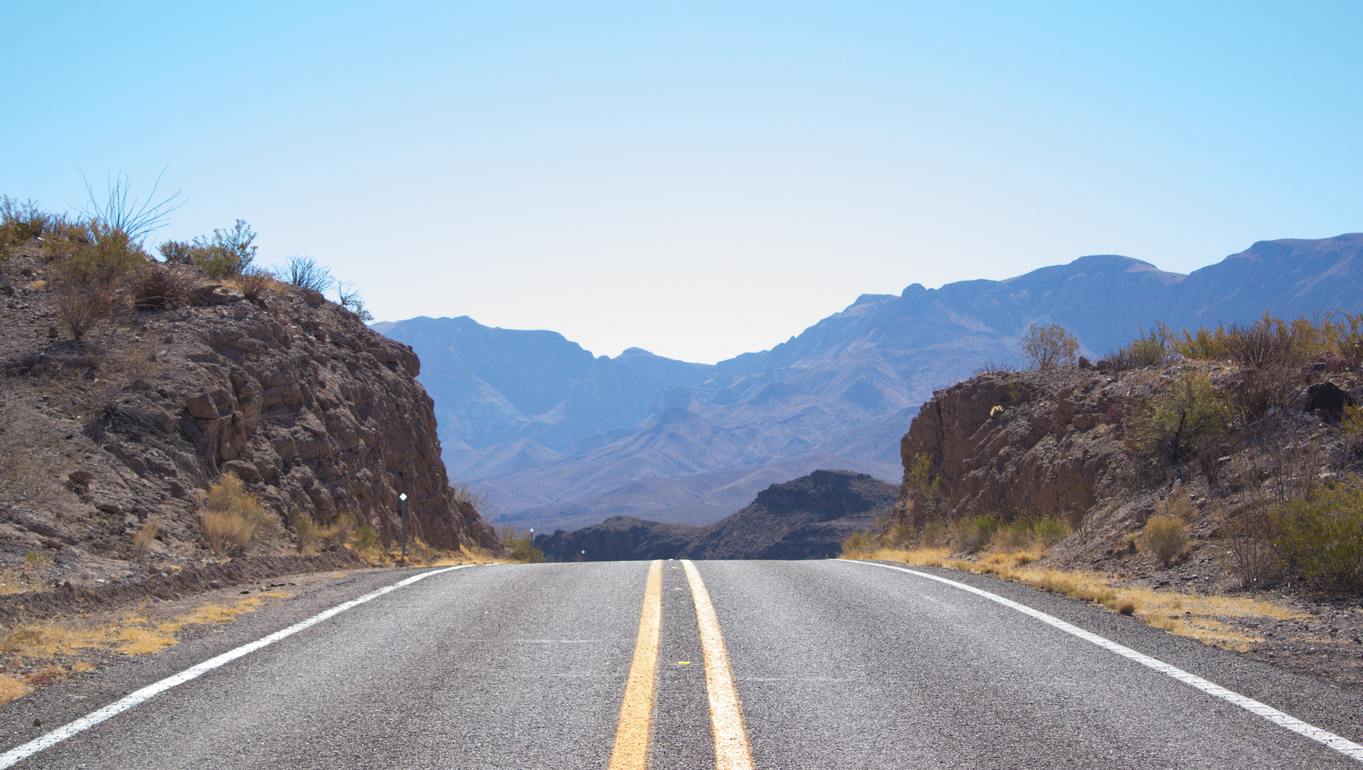
Texas offers a mix of major cities, historic landmarks, and wide-open landscapes, making it one of the most diverse travel destinations in the U.S. For first-time visitors, a well-planned route helps you experience highlights like Dallas–Fort Worth, Austin, San Antonio, and Houston while balancing drive time and outdoor stops. Expect long distances, changing climates, and plenty of opportunities to explore along the way.
Dallas to Fort Worth: Starting Your Texas Road Trip in the Right Place
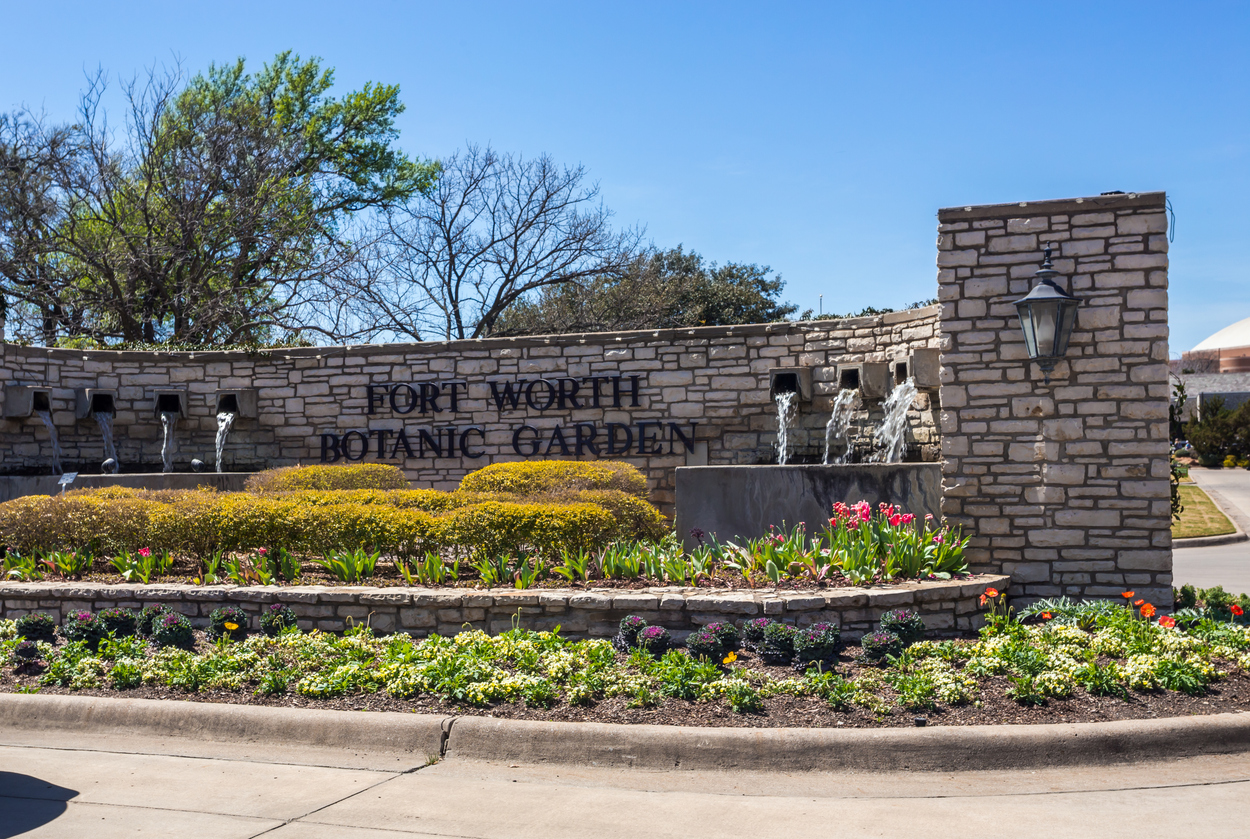
The Dallas–Fort Worth metroplex is an ideal starting point, combining modern city attractions with Western heritage. The two cities sit about 30 miles apart, connected by Interstate 30, making it easy to explore both in one trip. Dallas offers major museums, shopping districts, and skyline views, while Fort Worth leans into its cowboy culture with the Stockyards National Historic District. Many travelers fly into Dallas/Fort Worth International Airport (DFW), one of the largest and busiest airports in the world, providing convenient access to both cities.
Transportation Tips: Rental Cars, Flights, and Buses
Getting around Texas requires planning due to the state’s size and limited public transit between cities. Rental Car (Best Option for Flexibility)
- Ideal for road trips and visiting parks or smaller towns
- Expect $40–$90 per day depending on vehicle type
- Major airports (DFW, AUS, SAT, IAH) offer wide availability
Flights (Best for Long Distances)
- Useful for trips like Dallas to Houston or El Paso
- Short flights (1–1.5 hours) often cost $80–$200 one-way
Buses (Budget-Friendly Option)
- Services like Greyhound, Megabus, and FlixBus connect major cities
- Tickets typically range from $20–$60
- Slower but cost-effective
Local Transit
- Dallas (DART) and Houston (METRO) offer rail and bus systems
- San Antonio and Austin rely mostly on buses and rideshare
Austin and San Antonio on the I-35: What First-Timers Can't Miss
The I-35 corridor connects Austin and San Antonio, two of Texas’s most popular destinations, in about 80 miles (roughly 1–1.5 hours of driving). In Austin, highlights include:
- Texas State Capitol, which is taller than the U.S. Capitol in Washington, D.C.
- Barton Springs Pool, a spring-fed swimming spot that stays around 68–70°F year-round
- Lady Bird Lake, ideal for kayaking and paddleboarding
In San Antonio, must-see attractions include:
- The Alamo, a historic 18th-century mission and iconic Texas landmark
- San Antonio River Walk, a scenic network of pedestrian pathways, restaurants, and boat tours
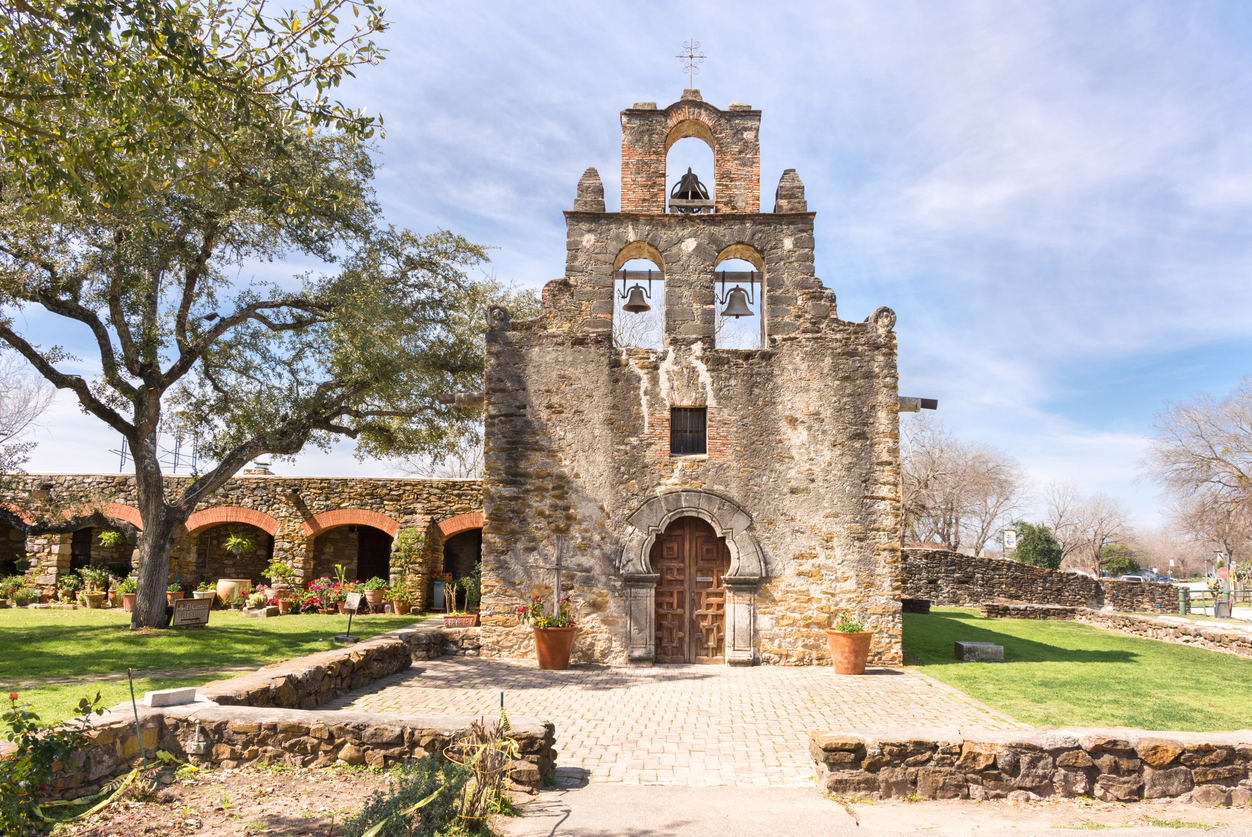
- San Antonio Missions National Historical Park, a UNESCO World Heritage Site
Houston's Museum District and Hermann Park
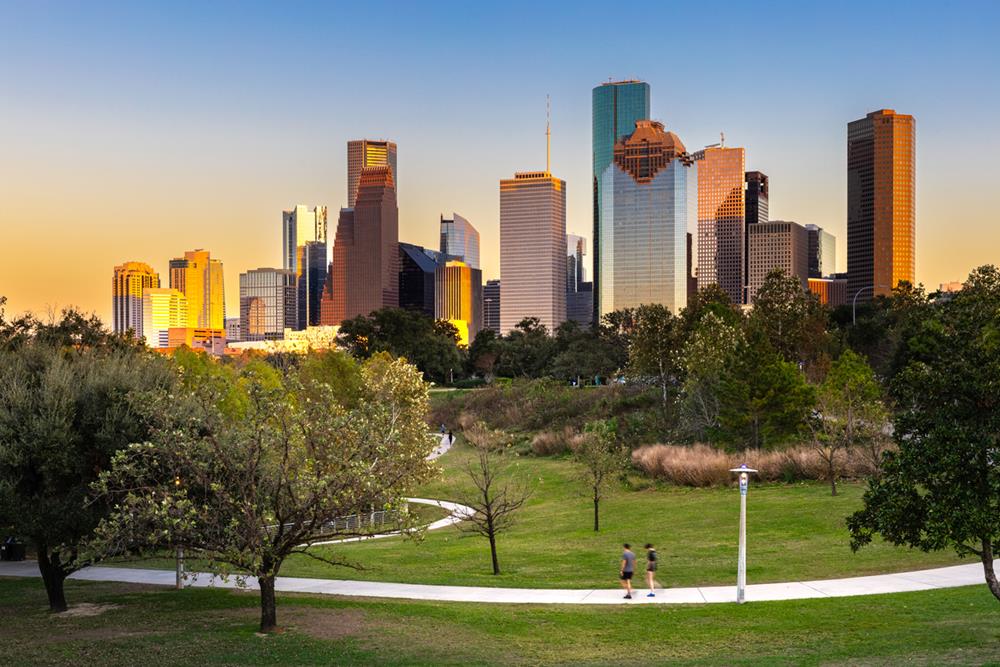
Houston’s Museum District features 19 museums within a compact area, many of which offer free admission or free-entry days. Major institutions include:
- Museum of Fine Arts, Houston
- Houston Museum of Natural Science
- The Menil Collection
Adjacent Hermann Park adds outdoor appeal with gardens, trails, and access to the Houston Zoo. The district is one of the most accessible cultural hubs in Texas, drawing millions of visitors annually.
The Alamo, River Walk, and Texas State Capitol in One Weekend
View this post on Instagram
A weekend itinerary can comfortably cover San Antonio and Austin, though they are separate cities about 80 miles apart. Start in San Antonio:
- Visit The Alamo early (free entry, timed tickets recommended for the church)
- Walk along the River Walk for dining and sightseeing
Then head to Austin:
- Tour the Texas State Capitol (free guided tours available)
- Explore downtown or enjoy sunset views from scenic overlooks
This pairing gives first-time visitors a strong introduction to Texas history, culture, and city life in a short timeframe.
State Parks and Hiking Trails You'll Actually Pass on Your Route
View this post on Instagram
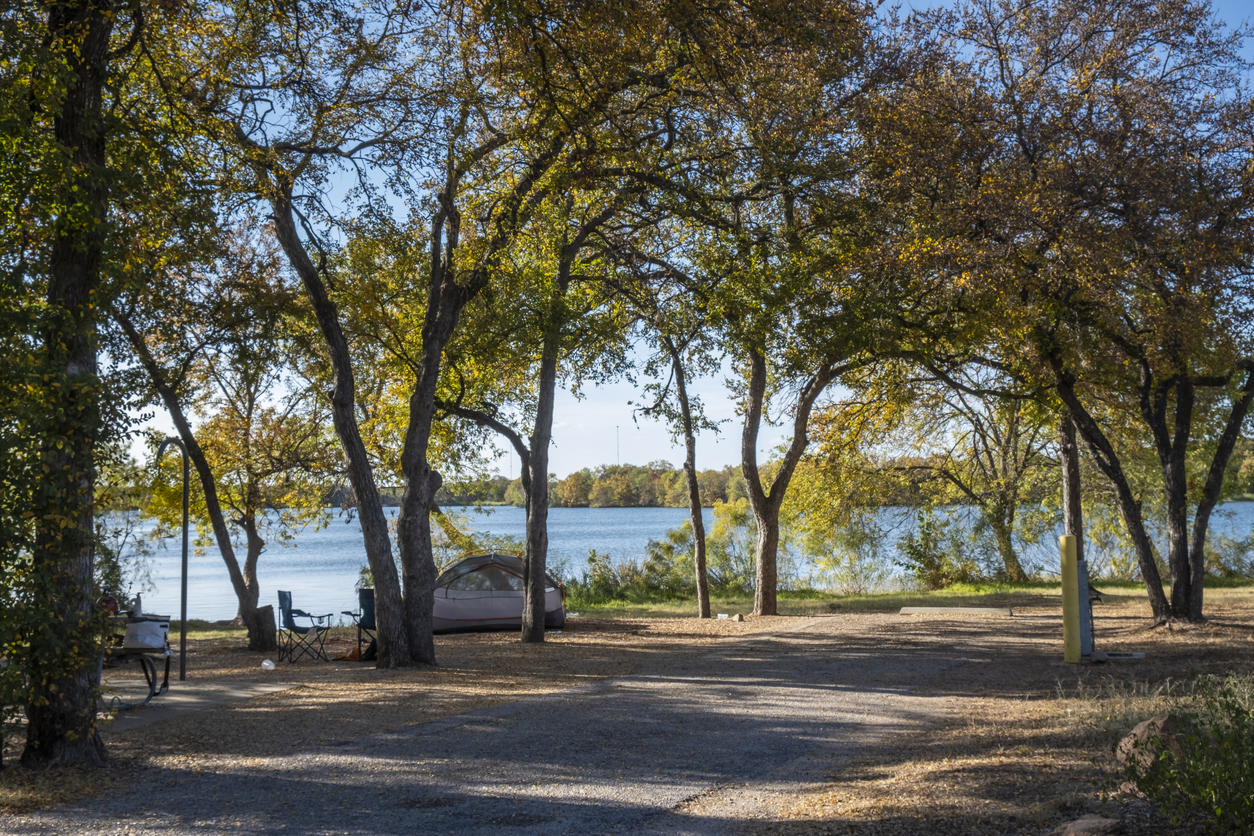
Texas road trips are best when you include outdoor stops between cities. Popular parks along common routes include:
- Dinosaur Valley State Park (near Glen Rose) – Known for preserved dinosaur tracks in the riverbed
- Enchanted Rock State Natural Area (near Fredericksburg) – A massive pink granite dome with hiking trails
- Pedernales Falls State Park – Scenic limestone waterfalls and swimming areas
For frequent travelers, the Texas State Parks Pass (around $70 annually) covers entry fees for your vehicle and offers additional perks.
Texas BBQ, Tex-Mex, and Buc-ee's Stops Worth Planning Around
Food is a major part of any Texas trip. Regional specialties include:
- Texas BBQ – Central Texas brisket (salt-and-pepper style), East Texas chopped beef, South Texas barbacoa
- Tex-Mex cuisine – Enchiladas, tacos, queso, and margaritas
Convenience stops like Buc-ee’s are also part of the experience, known for:
- Exceptionally clean restrooms
- Fresh snacks, barbecue sandwiches, and baked goods
- Large fueling stations and travel supplies
Planning meal stops ahead of time helps avoid long lines at popular restaurants.
How Many Days Your First Texas Road Trip Really Needs?
Texas is large, and distances between cities can be significant. A realistic timeframe:
- 7 days minimum – Covers Dallas, Austin, San Antonio, and Houston
- 10–14 days – Allows deeper exploration, including parks and smaller towns
Plan for:
- 2–3 nights per major city
- 1–4 hours of driving between destinations
Adding coastal stops like Galveston or Corpus Christi will require extra days.
What to Pack for Hot Weather and Long Drives
Texas weather—especially in late spring through early fall—can be hot and humid, particularly in central and southern regions. Essential items include:
- Lightweight, breathable clothing (moisture-wicking fabrics)
- Reusable water bottles and extra hydration supplies
- Sunscreen, sunglasses, and wide-brim hats
- Cooling towels or portable fans
Keep water and snacks in your car, especially for longer drives between cities or rural areas.