Outdoor Guide to Texas: Best Parks, Trails & Hidden Nature Spots
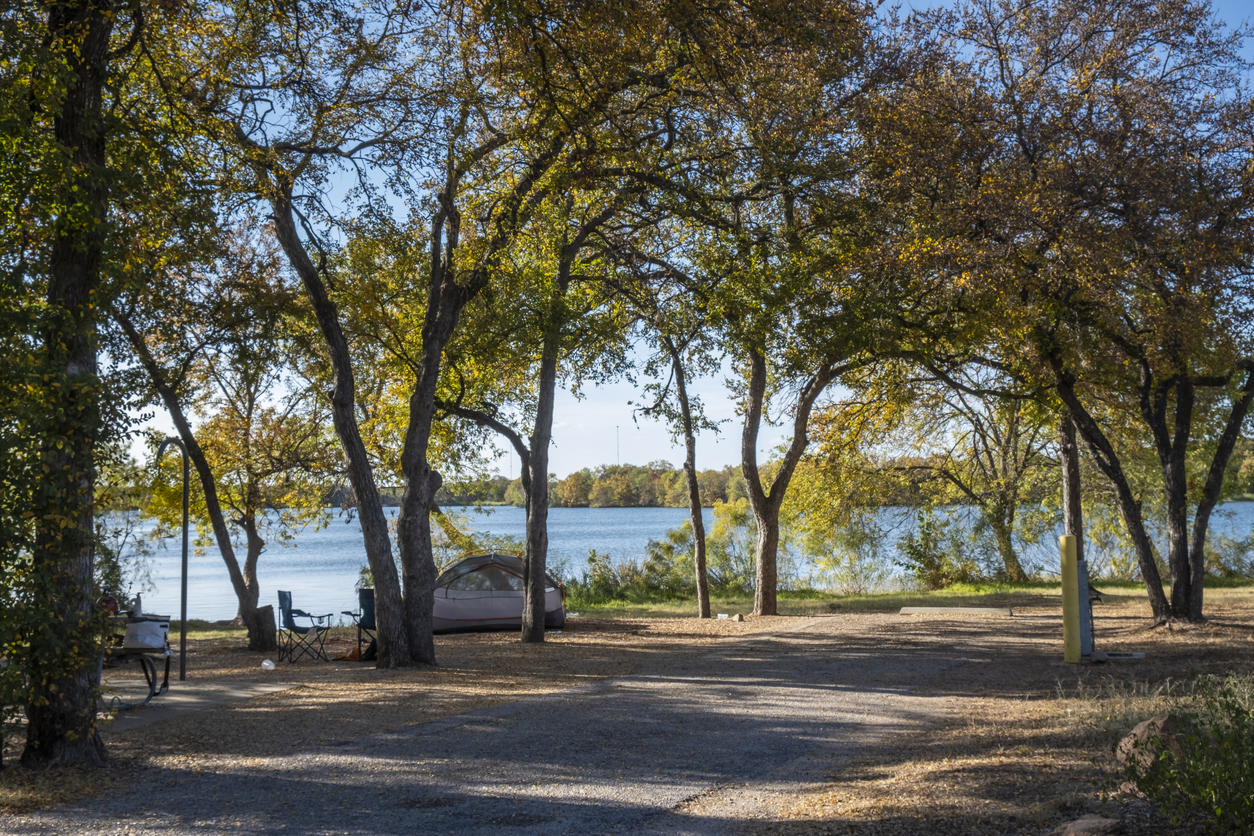
Texas’s 80+ state parks span more than 640,000 acres, offering a wide range of landscapes from desert mountains to coastal wetlands. You can hike iconic trails like Palo Duro Canyon’s 5.7-mile Lighthouse Trail, swim in the spring-fed waters of Balmorhea State Park, or explore remote backcountry areas in Big Bend Ranch State Park. Whether you're chasing dramatic canyon views, quiet birding trails, or hidden swimming holes, Texas delivers year-round outdoor experiences with options for every skill level.
Best Texas State Parks for Hiking and Wildlife Watching
Texas offers some of the most diverse hiking terrain in the country, from the rugged canyons of the Panhandle to the forested trails of East Texas. Palo Duro Canyon State Park features the Lighthouse Trail (5.7 miles round trip), one of the most recognizable hikes in the state. Big Bend Ranch State Park spans over 311,000 acres with more than 200 miles of rugged trails, making it ideal for experienced hikers seeking solitude. Meanwhile, Franklin Mountains State Park in El Paso offers over 100 miles of trails, including routes to historic mining sites and scenic overlooks. For wildlife watching, Bentsen-Rio Grande Valley State Park and the broader World Birding Center network provide some of the best birding opportunities in North America. Colorado Bend State Park combines hiking with caves, waterfalls, and river access, making it a versatile destination for outdoor exploration.
Top Texas Parks for Water Activities: Swimming, Fishing, and Paddling
View this post on Instagram
Texas parks provide excellent access to lakes, rivers, and spring-fed pools, especially during warmer months. Top destinations include:
- Balmorhea State Park – Home to one of the world’s largest spring-fed swimming pools, ideal for snorkeling and cooling off in West Texas
- Inks Lake State Park – Known for calm waters and the popular Devil’s Waterhole swimming area
- Possum Kingdom State Park – Offers boating, fishing, and dramatic cliffside lake views
- Canyon Lake (U.S. Army Corps of Engineers parks) – Popular for boating, fishing, and scuba diving
- Lake Travis parks (including Pace Bend Park) – Provide access to swimming, paddling, and scenic overlooks
Many locations offer kayak and paddleboard rentals, but availability varies by park and season. Always check water conditions and local advisories before swimming.
Uncrowded Texas Parks in Rural Areas Worth Visiting
View this post on Instagram
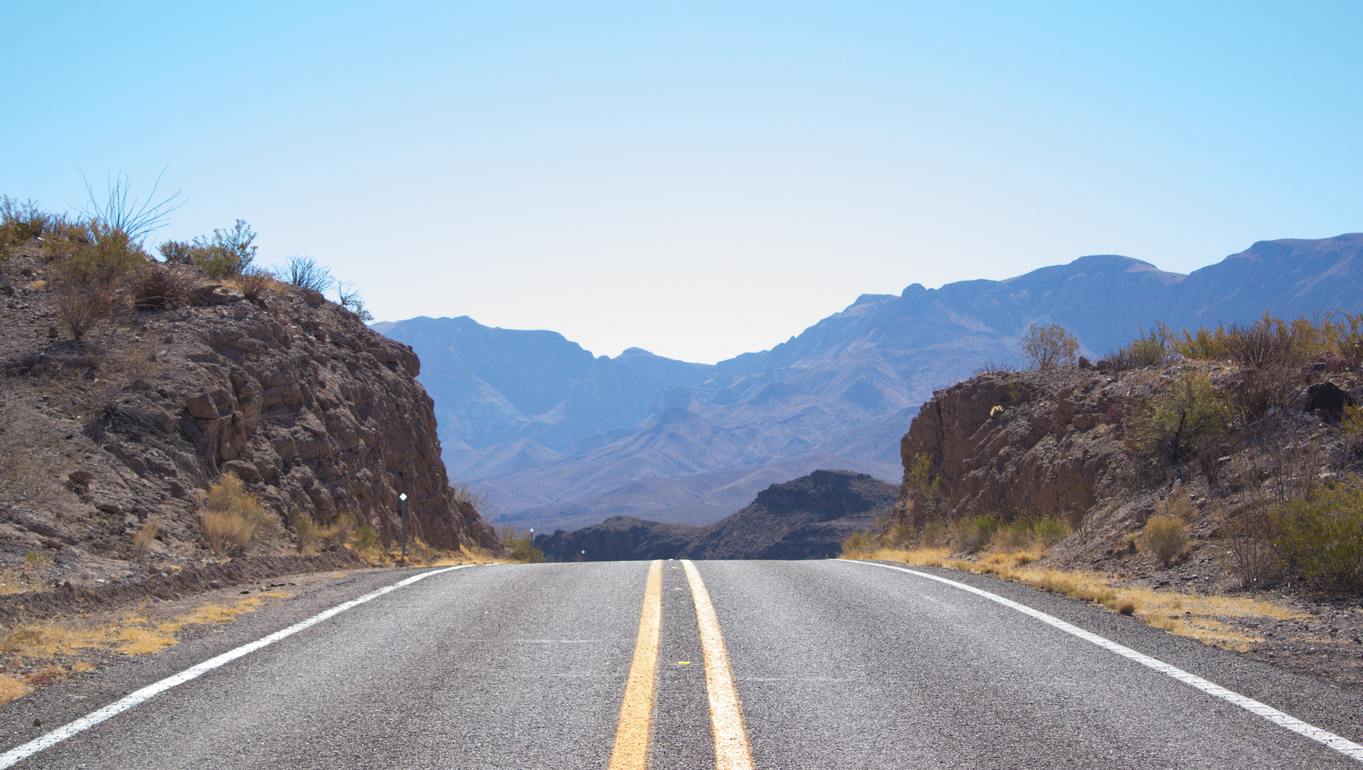
If you prefer quieter outdoor experiences, several lesser-known parks offer space and solitude. Big Bend Ranch State Park remains one of the most remote, with low visitation compared to nearby Big Bend National Park. Copper Breaks State Park in North Texas is designated as an International Dark Sky Park, making it ideal for stargazing. In East Texas, Fort Boggy State Park offers a peaceful setting with limited campsites and fishing opportunities. Estero Llano Grande State Park in the Rio Grande Valley focuses on guided access and habitat conservation, attracting serious birders. For unique natural features, Devil’s Sinkhole State Natural Area provides guided tours to view one of the largest bat colonies in Texas, while maintaining strict conservation protections.
Hidden Nature Gems Across Texas Worth Exploring
Beyond Texas’s most popular parks, several lesser-known destinations offer equally stunning landscapes with fewer crowds and a more relaxed pace. Pedernales Falls State Park in the Hill Country features wide limestone slabs where the Pedernales River cascades through layered rock formations. It’s ideal for scenic overlooks, photography, and quieter hiking trails away from busier swimming areas. Monahans Sandhills State Park in West Texas delivers a completely different experience, with rolling sand dunes that feel more like a desert landscape than a traditional park. Visitors can rent sand disks to slide down dunes or hike across shifting terrain. Lost Maples State Natural Area stands out for its rare fall foliage, with vibrant red and orange maple leaves typically peaking from late October through November. The park’s rugged trails and elevation changes also make it a favorite for experienced hikers. For lesser-known water spots, look for Devil’s Waterhole at Inks Lake, quieter river access points along the Llano River, or scenic overlooks in parks like Balcones Canyonlands National Wildlife Refuge, where panoramic Hill Country views stretch for miles.
Where to Find the Best Birding and Stargazing in Texas
Texas is a top destination for birding, with nearly 500 documented species across its diverse ecosystems. Key birding locations include:
- World Birding Center (Rio Grande Valley) – A network of nine sites spanning over 120 miles
- Brazos Bend State Park – Known for wetlands, alligators, and migratory birds
- Davis Mountains State Park – Offers blinds for viewing species like Montezuma quail
- Atlanta State Park – Rich in East Texas forest birdlife
For stargazing, head to Davis Mountains State Park, Big Bend Ranch State Park, or Copper Breaks State Park, all recognized for exceptionally dark skies and minimal light pollution.
Best Times to Visit Texas Parks by Region
Texas’s climate varies widely, so timing your visit can greatly improve your outdoor experience. Hill Country (Central Texas): Spring (March–May) is peak season for wildflowers, including bluebonnets. Fall offers cooler temperatures and fewer crowds. East Texas: Best visited in spring and fall, when forests are lush or filled with fall foliage. Summers can be humid and mosquito-heavy. West Texas (Big Bend, Davis Mountains): Winter and early spring provide the most comfortable hiking conditions, with mild temperatures and clear skies ideal for stargazing. Gulf Coast: Visit in late fall through early spring for cooler weather and better birding conditions. Summers can bring extreme heat and humidity. Planning around seasonal conditions helps you avoid extreme temperatures and enjoy each region at its best.
Texas State Park Camping: Metro vs. Rural Options
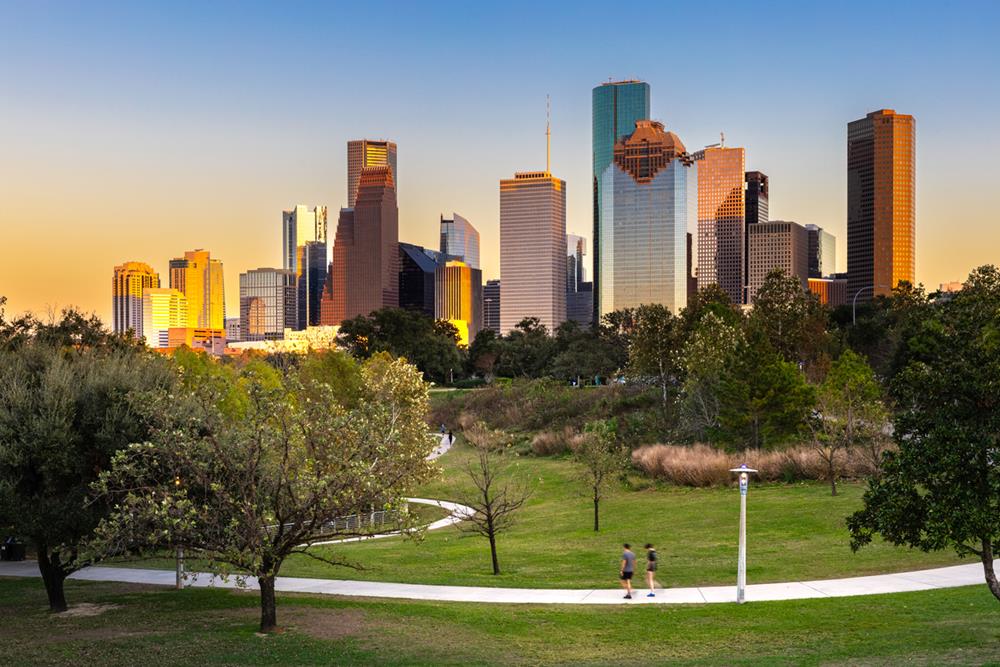
Camping in Texas ranges from convenient urban-access sites to remote wilderness experiences. Metro-area parks like McKinney Falls (Austin) or Lake Houston Wilderness Park provide easy access, full hookups, and family-friendly amenities. These are ideal for short trips and first-time campers. Rural parks such as Caprock Canyons or Big Bend Ranch offer primitive campsites, hike-in access, and greater isolation. East Texas parks like Tyler State Park provide shaded campsites among pine forests, while Hill Country parks often include waterfront camping. With nearly 8,000 campsites statewide, reservations are highly recommended, especially during peak seasons.
How to Reserve Campsites and Day Passes Without Getting Turned Away
Texas Parks and Wildlife operates on a structured reservation system, and planning ahead is essential. Key strategies include:
- Reserve campsites up to five months in advance for peak dates
- Book day passes up to 30 days ahead, especially for popular parks like Enchanted Rock
- Check for cancellations regularly for last-minute availability
- Use the official Texas State Parks reservation system for real-time updates
Popular parks often reach capacity early, particularly on weekends and holidays.
Accessible Trails and Facilities at Texas Parks
Texas parks continue to expand accessibility, making outdoor recreation more inclusive. Accessible features include:
- Paved trails like the Paisano Trail at Laguna Atascosa National Wildlife Refuge
- All-terrain wheelchairs available at select parks such as Bastrop and Daingerfield
- Accessible campsites and restrooms throughout major parks
- Beach wheelchairs at coastal parks like Mustang Island State Park
Programs such as the Texas State Parklands Passport provide discounted access for eligible visitors.
New Texas State Parks Opening Through 2030
Texas is expanding its park system with several major developments underway. Highlights include:
- Palo Pinto Mountains State Park (North Texas) – Scheduled for phased opening, with initial trail access expected soon
- Chinati Mountains State Natural Area (West Texas) – Limited guided access planned due to conservation priorities
- Post Oak Ridge State Park (Central Texas) – In early development stages
These additions reflect Texas’s long-term investment in preserving natural landscapes while expanding public access.
Essential Gear for Exploring Texas Parks
Preparing for Texas’s climate is critical, especially during warmer months when heat and sun exposure can become serious concerns. Hiking essentials include:
- At least 2–3 liters of water per person for longer hikes
- Electrolyte packets to prevent dehydration
- Lightweight, breathable clothing and wide-brim hats
- High-SPF sunscreen and UV-protective sunglasses
- Durable hiking shoes with good traction
For longer or remote hikes, consider hydration packs, trekking poles, and offline trail maps. Always plan water usage carefully—many Texas parks have limited shade and few refill stations, particularly in West Texas. Starting early in the morning and avoiding midday heat can make a significant difference in comfort and safety.