
Why the Best Gamblers Are Often the Worst at Managing Risk
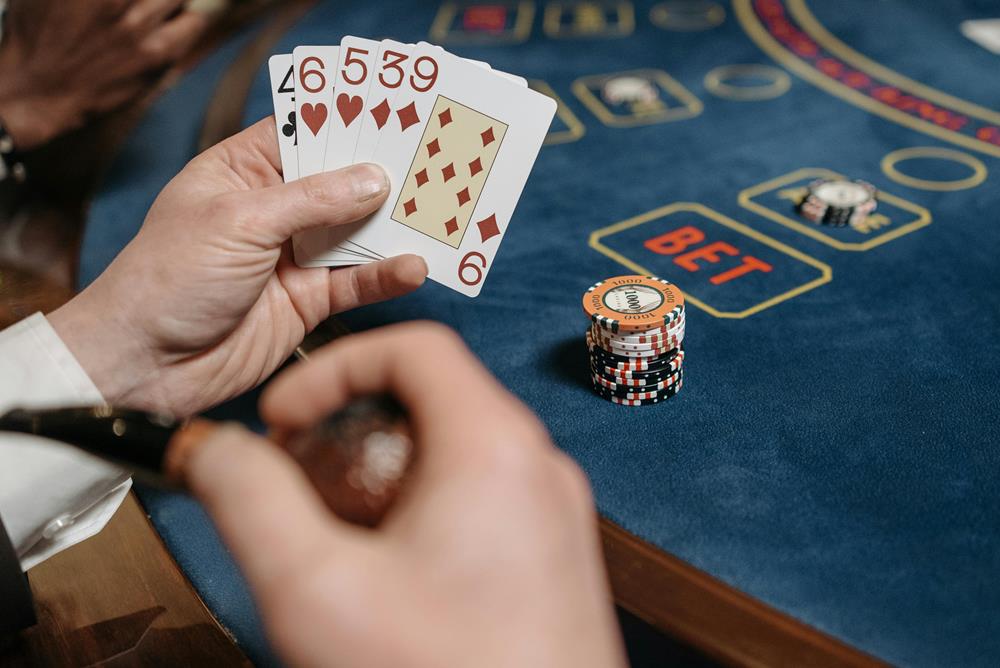
You see it happen all the time in card rooms and around kitchen tables where serious players get together. The sharpest guys at the table read opponents like open books. They squeeze every edge from the odds. Yet they end up broke or close to it more often than the casual players who just treat the game as fun. These top gamblers build real reputations on big wins. They walk in with a small stack and walk out with everyone else's money. Their personal finances tell another story. They chase the next big score without any clear plan for when the cards go cold. That one habit wrecks more bankrolls than any house edge ever does.
The Edge That Wins Games
The best gamblers earn their spot through pure skill and sharp pattern recognition. Poker pros who play no-limit hold'em calculate pot odds in seconds. They track what opponents do across hundreds of hands. They make folds that look crazy to everyone else but save them thousands over time. Blackjack counters do something similar. They sit for hours and keep a running count of high cards left in the shoe. They only bet big when the deck favors them. Sports bettors study injury reports, weather, and coaching styles. They turn a small edge into steady profits across a whole season. These players know the math inside out. They find value where others see pure luck. In one night or one tournament they can double or triple their money because they play better than the rest of the field. That edge feels solid and it really works in the short run.
The Missing Piece in Everyday Money
The trouble starts when they leave the table and face real money decisions in everyday life. Risk management asks for something extra. It means treating every dollar like capital that has to survive the long losing streaks. Top gamblers often skip this step. They keep their focus on winning the next hand instead of guarding what they already hold. A player might win a five-thousand-dollar tournament and take home forty grand. Then he drops the whole amount on one football parlay the next day. The same mind that broke down every river card suddenly ignores basic rules about how much to bet. They risk too much of their total funds because the excitement of the win pushes aside the math they know so well.
Real Stories of Talent Without Limits
This split shows up in stories that regulars swap back and forth. Stu Ungar stands as the clearest example. He won the World Series of Poker main event three times from 1980 to 1997. No one else has done that. Ungar read a table better than anyone alive and he turned that skill into millions in winnings. Still he died at age forty-five with almost nothing left. Drugs played a part but the main issue was his refusal to set any limits. He would win a huge score then play until every dollar disappeared again. Friends saw him lose six-figure amounts in just days because he used every win as fuel for the next game instead of a safety net.
Archie Karas pulled off an even bigger run in the 1990s. He showed up in Las Vegas with fifty thousand dollars and built it into forty million through craps, poker, and baccarat. For three straight years he lived like royalty. Then the streak ended and he lost every cent back in a matter of weeks. Karas knew those games better than almost anyone. He had beaten the top players during that time. What he never learned was how to walk away while ahead or how to split his money into safe pieces he could afford to lose. The same cycle hits lesser-known pros who rule local card rooms for years then file for bankruptcy after one rough stretch. Their skill brings the wins. Their weak risk habits take the money right back.
Online Games Hide the Danger
Even in today's online scene the same gap appears. Plenty of sharp live players log on expecting the same advantage. They chase losses without thinking twice about their total exposure. The screen makes reloading an account too easy. The fast pace hides how quickly small bets pile up. A player who would never risk his full stack in a live poker game suddenly spins hundreds of dollars through digital reels because the interface feels less serious. Many sharp operators who crush live games log on to wolfwinner casino real money online pokies australia expecting the same edge only to chase losses without a second thought about their overall exposure. The house edge stays the same but the best players act like their past success protects them.
How the Mind Plays Tricks
The mind explains much of this split. Gamblers who win often build quiet overconfidence. Each big pot makes them feel they control the outcome more than they do. They begin to trust that their reads or timing can beat normal swings. When a losing run hits they double down instead of cutting back. They want to prove the edge still works. Adrenaline adds to it. The brain chemistry that lights up during a big call or hot streak makes careful play feel dull. Many top players admit they know they should stop but keep going anyway. The body craves the rush. The mind finds reasons why this session will turn around.
Top gamblers also treat normal swings like a personal test instead of a built-in fact of the game. They study charts that show how even a two percent edge can bring long stretches of losses. Yet they rarely use those lessons on their own cash. A blackjack counter might bet steady during bad counts then jump the bets when the count improves. He forgets that one bad shuffle can erase hours of careful work. Sports bettors who hit seventy percent of their picks still go broke because they risk ten percent of their bankroll on every game instead of one or two percent. The math works against them over the long haul even when their picks stay smart.
Signs You See After Years of Watching
Look around at the everyday gamblers who sit near these pros and you spot the same flaw on a smaller scale. Weekend players copy the bold style they see on TV without the real skill underneath. They hear tales of million-dollar wins and think the secret is simply betting bigger. The outcome never surprises. A guy wins a few hundred at the slots on Friday and comes back Saturday with his whole paycheck because that first win feels like proof he belongs at the big tables. Casinos and online sites rely on this loop. They build games and offers that reward bold moves while they quietly collect from the reckless bets.
After years of watching this pattern you learn to spot the early signs. The best gamblers describe their wins in great detail but they barely mention the losing periods. They keep careful notes on every hand but skip any real count of total money won and lost. They surround themselves with friends who cheer the big scores and steer clear of anyone who suggests a budget. None of this comes from a lack of brains. These same players often hold college degrees, run side businesses, or handle tough projects at work. Gambling just flips a different switch in the brain, one tuned for quick rewards instead of steady saving.
The Bigger Picture Outside Gambling
The pattern reaches past the casino doors. Anyone who trades stocks, backs startups, or runs a small business faces the same trap. A hot streak in the market creates the same false sense of control that sinks card players. People who win early start to believe their talent shields them from bad breaks. They borrow against future gains or skip any emergency savings because careful steps feel pointless. The best gamblers show that pure skill never fixes the need to stay in the game long enough for that skill to matter.
Two Skills That Don't Always Go Together
In the end it comes down to two different skills that rarely mix well. Playing the game at a high level brings the wins. Managing the money makes those wins stick around. Top gamblers master the first part and treat the second part as extra. They pay for it with empty bankrolls and shorter careers. The rest of us can take the lesson without ever sitting at a high-stakes table. Set firm limits before you start. View every session as part of a bigger picture instead of a single event. Walk away when the plan says to stop even if the cards look good. The sharpest players in the room rarely follow their own rules on this point. That one habit explains why so many legends finish with empty pockets while the quiet, steady types slowly build something that lasts.