Why Live Dealer Games Feel More Real
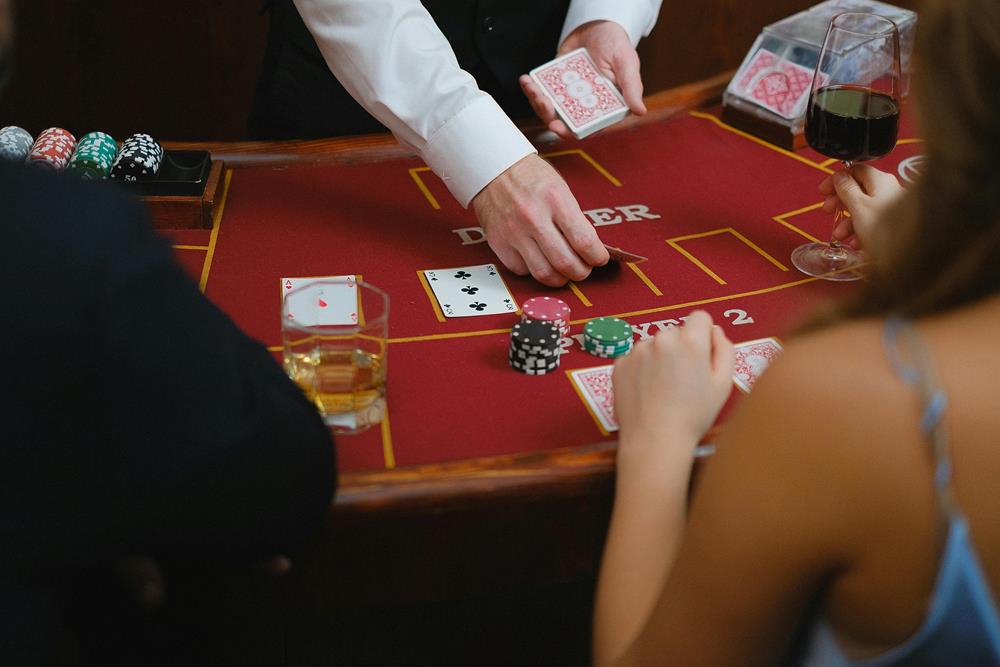
Regular online table games run on nothing but software. Cards pop up, the wheel spins, results are called and the whole thing has the feel of clockwork. Live dealer games are a different story from the get go - because a real person is actually sitting behind the table. You catch a glimpse of a hand putting the cards in place , you hear their voice explaining what's happening. You watch people breathe, see them correct mistakes, and fall into a regular rhythm as they get on with the job, all in real time.
That human presence makes all the difference - most people wouldn't even stop to think about it, but they read all those little social cues all the time - a glance at the camera, a brief pause before the next round, the dealer re-stating the result out loud , its all what makes the session feel solid and real . Software can mimic the look of a table, but its bloody hard to replicate the social feel of a real room. A live dealer room brings that whole missing element to the table.
Camera work makes it feel like a real venue
A lot of the realism comes from production, not just the game itself. Modern live dealer studios borrow from television. They use multiple camera angles, steady overhead shots, close views of cards, and clean table lighting. That setup gives players visual proof of what is happening. You are not just reading an animation on a screen. You are watching a sequence unfold from start to finish.
In practice, this is one reason some players describe the format as more believable than standard digital tables. The room has depth. Chips, cards, wheels, and table felt all look physical because they are physical. Even the sound matters. A ball rattling around a wheel or cards sliding across the layout gives the brain familiar cues. Those cues make the experience feel less abstract.
Around the middle of a session, some players start treating the screen less like a game menu and more like a place they have entered. That shift explains why searches for brands or phrases such as jokacasino online casino australia real money often sit beside interest in live dealer tables, because people are not only looking for access, they are looking for an environment that feels less synthetic.
Small imperfections make it more convincing
Perfect motion often looks fake. Real life has tiny irregularities. A dealer adjusts a stack of cards. A sleeve catches light. A wheel slows in a slightly uneven way. These details sound minor, but they help sell the scene. Human beings trust things that carry natural variation. The same logic explains why a live concert feels different from a studio recording, even when the song is the same.
Live dealer games benefit from that effect every round. The pace is not identical each time. A dealer may repeat instructions for one table and move faster on another. A player may see a brief pause while the next round is prepared. Those moments remind viewers that they are watching a real setup with real timing. Oddly enough, that lack of polish often makes the presentation stronger.
Social cues create pressure and presence
There is also a social side that standard digital games rarely match. In many live dealer rooms, a lot of the time the dealer will pipe up at the table to say hi to players, or just remark on how a particular hand is going. Even though it's just a bit of small talk, it gives off a vibe that there's someone at the table with you. That changes the emotional tone.
A plain software game feels private and closed off. A live table feels observed, even when the observation is light. Many people respond to that by paying closer attention. They sit with better focus. They follow the action more closely. The table starts to feel like an event instead of a background activity.
This matters because realism is not only visual. It comes from social signals too. Humans are wired to respond to voice, eye contact, and shared timing. Once those signals appear, the brain treats the setting differently.
Studios are built to copy real casinos, but cleaner
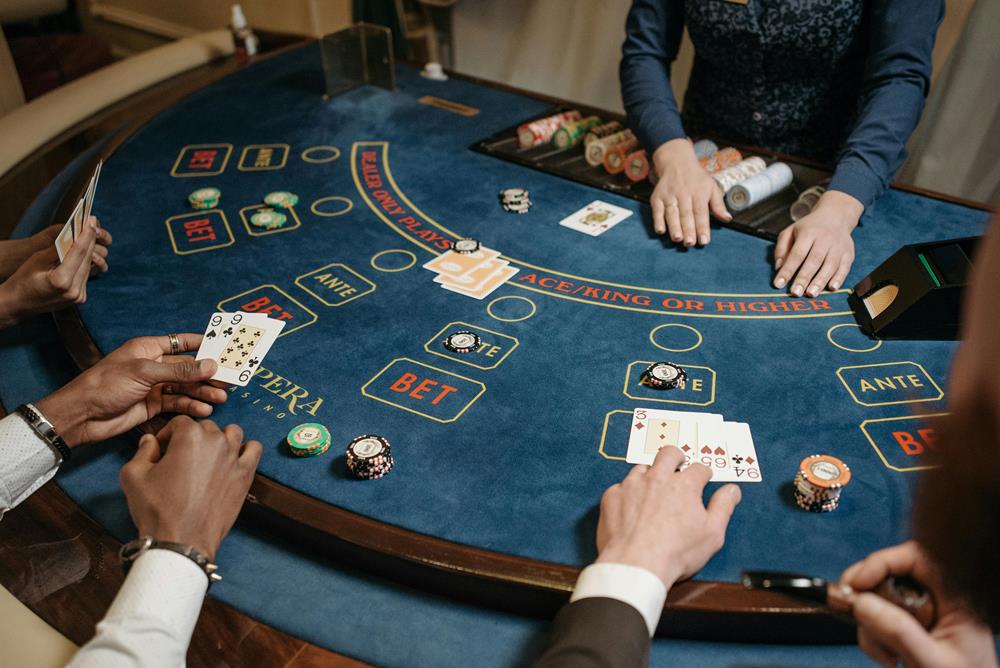
Most live dealer studios are not actual casino floors. They are controlled broadcast spaces built to resemble them. That distinction matters. A studio can copy the look of a high-end table while removing distractions. There is no crowd noise drowning out the dealer. Lighting stays even. Camera placement stays exact. Audio is clearer than in many real venues.
That creates an interesting result. The setting really feels like the real deal because you can see a genuine table, cards and dealer on screen - its all very much the real thing. But at the same time it also feels slicker & more polished than the real deal down at the local casino - mainly because the environment has been specifically set up to be viewed on a screen rather than for people wandering in off the street. The production strips away mess and keeps the parts people associate with authenticity.
Pace changes how the brain reads the game
Traditional online games move fast. Click, result, next round. Live dealer games slow that cycle down. A dealer has to handle objects, speak, confirm actions, and move to the next stage. That slower pace gives each round more weight.
When events take a few seconds longer, they feel more substantial. The brain has time to track what happened. A spin is not just a visual effect with a result attached. It becomes a process with a beginning, middle, and end. That structure makes people feel closer to the action.
Over time, this pacing also makes the session feel more like attending something rather than operating software. That is a big part of the realism people describe, even when they do not put it in those words.
Trust and realism often get mixed together
People often say a live dealer game feels more real when they actually mean it feels easier to trust. That overlap is important. Seeing a dealer handle cards or a camera follow a roulette wheel gives players direct visual confirmation. They are not asked to accept a hidden process. They watch the process happen.
This does not mean every viewer thinks deeply about studio systems, camera controls, or game management tools. Most do not. They just respond to what they can see. Physical action, visible procedure, and spoken confirmation all reduce the distance between player and outcome. The less hidden the sequence feels, the more real it feels.
The appeal is part design, part psychology
Live dealer games feel more real because they combine several things at once. They use real people, real objects, broadcast-style production, natural timing, and social signals. No single part does all the work. The realism comes from the stack.
That is why the format stands apart from standard digital tables. It does not rely on better graphics alone. It gives viewers something older and more familiar, a human-run event seen through a screen. People already know how to read that kind of scene. They trust faces, voices, camera angles, and physical movement more than clean animation.
In the end, the feeling of realism comes from recognition. A live dealer table looks and sounds like something that exists in the physical world. The screen remains there, but the experience stops feeling flat. For many users, that is the real difference.